Multilingual schools need more than multilingual values.

Your school values multilingualism. But does everyone know what to do with it?

You have language teachers. EAL specialists. Perhaps a language policy that celebrates students’ linguistic diversity. Believing in multilingualism is a starting point. Designing for it is the next step.

Not sure where to start? Get the free Translanguaging Starter Kit.

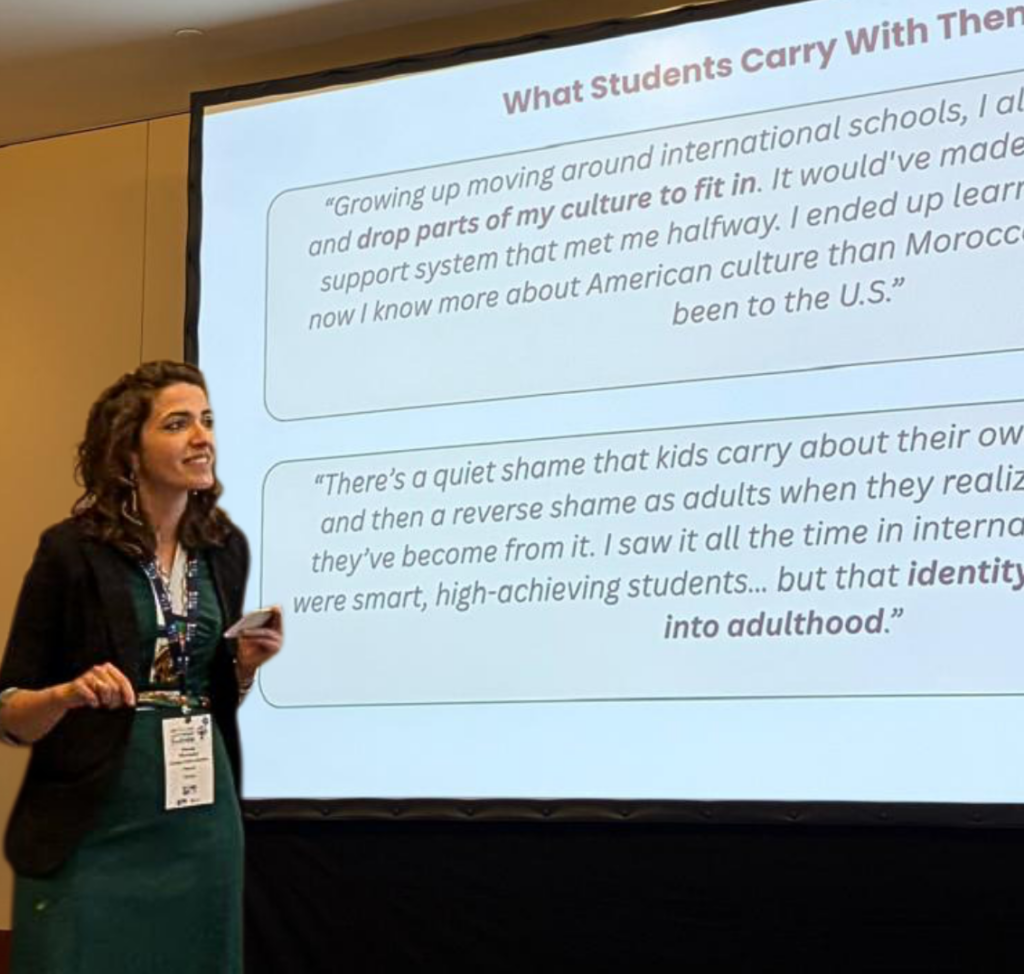
Patrice Thompson presenting on multilingual education at the ECIS Leadership Conference 2026 in Lisbon
  • 15+ yearsin international education
  • M.Ed. + M.B.A.education + school systems
  • Graduate researchtranslanguaging + school culture
  • 6 languagesmultilingual lived experience
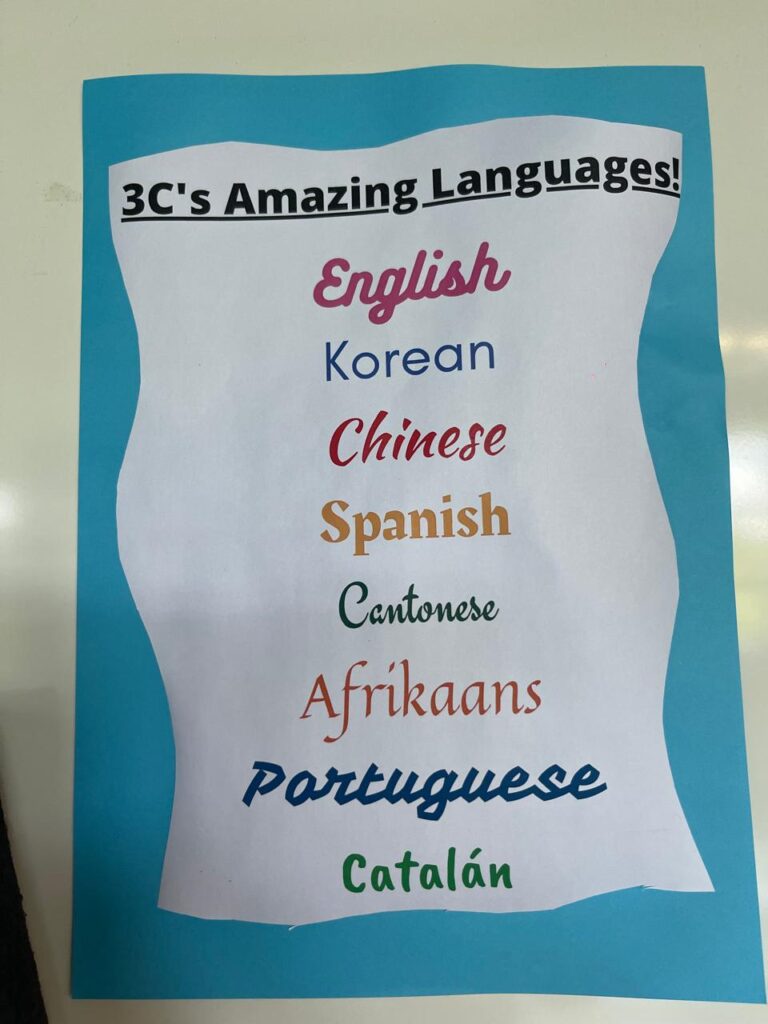
Multilingual school display featuring the word peace in many languages

Language inclusion for international schools

Language inclusion is more than a classroom strategy.

Multilingual students experience school across classrooms, leadership decisions, family communication, curriculum, and community. Strong language inclusion means thinking about all of those spaces together.

What does it actually look like for a science teacher to draw on students’ languages to deepen understanding? For a mathematics teacher to support multilingual thinking? For school leaders to establish expectations that make those practices possible?

Translanguaging is a teaching approach for every subject, not an EAL-only strategy.

Through a concrete, research-informed framework, diagnostic tools for teachers and students, and a three-pillar approach, Conex-Us helps schools understand where they are, identify what needs to change, and build the structures to make it happen.

Ways to work together

Practical support for educators, teams, and schools at different stages.

For school leaders

Move from isolated strategies to a school-wide approach.

Heads of school, principals, curriculum directors, and multilingualism coordinators building coherent language inclusion across classrooms, teams, and community.

  • Whole-faculty workshops on translanguaging and language inclusion
  • Multilingual inclusion audits of policies, communication, and current practice
  • Implementation planning and a realistic roadmap

For educators

Bring translanguaging into your own classroom.

Classroom teachers, language specialists, and instructional coaches who want to understand translanguaging and apply it, whatever their students’ English level.

  • Self-paced course with practical classroom examples
  • One-to-one coaching on your own lesson plan or challenge
  • Small-group coaching with a cohort of educators

Start where you are

From a free guide to a school-wide partnership.

Begin with a free resource, take the course, add coaching, or talk to us about your school. Each step stands on its own.

  1. Free

    Translanguaging Starter Kit

    $0

    10 concrete classroom examples that show what translanguaging looks like in practice.

    Get the free guide
  2. Self-paced course

    The Translanguaging Mindset

    $99

    Six modules, downloadable resources, and a 3.5-hour certificate of completion.

    Explore the course
  3. Course + coaching

    Course + Individual Coaching

    $150

    The complete course and one 45-minute coaching session. Bring a lesson plan, a challenge, or a question about your subject.

    See both options
  4. One-to-one

    Individual Strategy Consultation

    $250 / 60 minutes

    A virtual consultation on a broader instructional or school-level challenge, with a short questionnaire beforehand and written recommendations afterward.

    Book a consultation
  5. Cohort

    Small-Group Coaching

    $500 / participant

    About five to seven educators work together over two months, with six live sessions that turn theory into classroom practice.

    Learn about the cohort
  6. For schools

    Professional Learning & Consulting

    Custom

    Workshops, audits, implementation support, and ongoing consulting, scoped to your school. Start with a free discovery call.

    Explore school services

Practical professional learning

Bring translanguaging into your classroom.

Build the mindset and routines to help multilingual students participate, think deeply, and feel they belong.

  • 6 self-paced modules with practical classroom examples
  • Downloadable resources and guided reflection tools
  • 3.5 hours of learning and a certificate of completion
  • Bonus: the 47-page guide Walk the Talk, on building global citizenship in international schools

“The videos were engaging and sparked excitement to try new strategies in my classroom.”

Allison Maguire, Grade 1 Homeroom Teacher, course participant

The Translanguaging Mindset

$99

The full self-paced course, at your own schedule.

Enroll in the Course

Course + Individual Coaching

$150

The course plus one 45-minute personal coaching session with Patrice.

Choose the Bundle
Cover of the Conex-Us Consulting guide What Does Translanguaging Actually Look Like, with 10 classroom examples for multilingual educators

Free Translanguaging Starter Kit

New to translanguaging? Start here.

Get 10 concrete classroom examples that show what translanguaging can actually look like in practice.

  • See real examples of translanguaging in classrooms
  • Move beyond translation and basic EAL support
  • Find practical ideas you can adapt and use right away

    One email with the guide, then occasional notes from Patrice. Unsubscribe at any time. Privacy policy.

    How multilingual is your classroom, really?

    Answer 15 quick questions about what students currently experience. You receive your classroom profile with practical next steps, free. About 3 minutes.

    Check my classroom
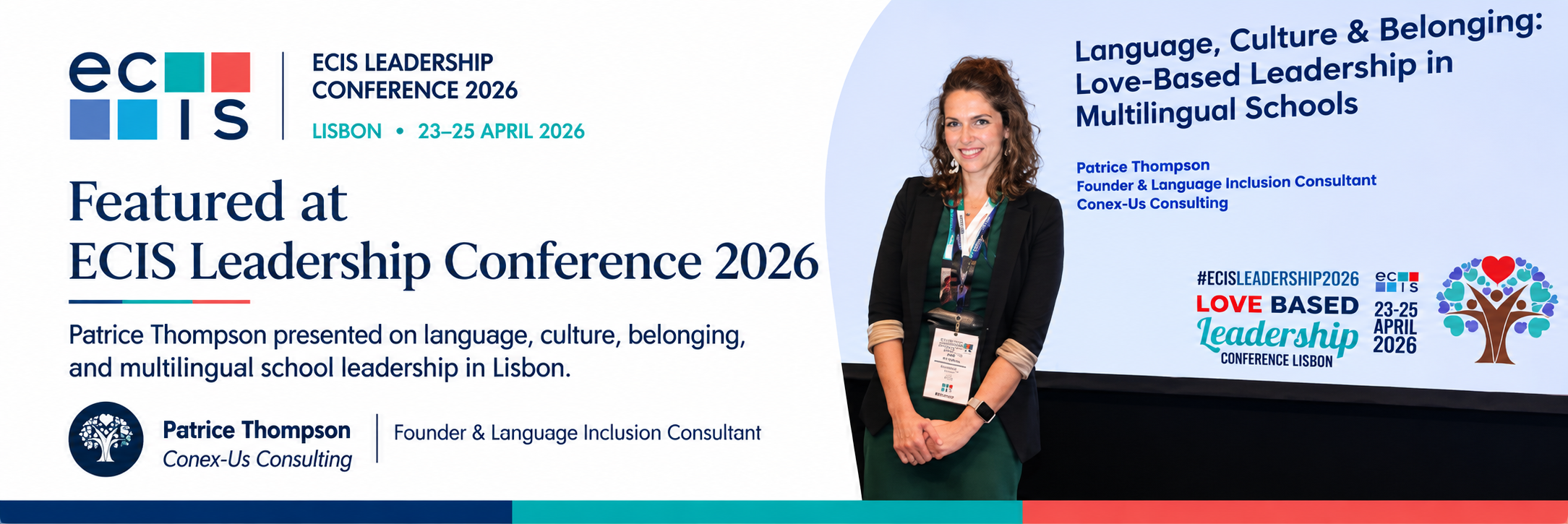
    Patrice Thompson presenting on language, culture, belonging, and multilingual school leadership at the ECIS Leadership Conference 2026
    Patrice Thompson, founder of Conex-Us Consulting and language inclusion consultant

    Featured at ECIS Leadership Conference 2026

    Language inclusion belongs in leadership conversations.

    At the ECIS Leadership Conference in Lisbon, Patrice Thompson presented on language, culture, belonging, and multilingual school leadership.

    The work of language inclusion extends beyond classroom strategies. It also shapes how schools lead, communicate, build community, and create the conditions for multilingual students to thrive.

    See publications & appearances

    Educator feedback

    What educators are saying.

    Reflections from educators participating in professional learning with Conex-Us.

    • Thank you for helping us deepen our understanding of how important this learning is, especially as we continue working with such a multilingual student community.

      Middle School Science Teacher
    • This session was especially relevant to my role as a world language teacher. It reinforced the importance of valuing students’ home languages as part of their learning process.

      High School French Teacher
    • Thanks for the opportunity to come together and discuss strategies and scenarios and bring translanguaging to the forefront of our minds.

      Grade 3 Homeroom Teacher

    The Translanguaging Teacher on YouTube

    Short videos, deeper dives, and practical conversations that help educators turn multilingualism into an everyday resource for teaching and learning.

    Watch on YouTube

    From the blog

    Clear answers on translanguaging in practice.

    All articles

    Common questions

    Translanguaging, answered.

    What is translanguaging?

    Translanguaging is the intentional use of a multilingual learner’s full linguistic repertoire as a resource for thinking, learning, and communicating. In classrooms, students might process ideas in one language, discuss them in another, compare language structures, or use multilingual resources to deepen understanding.

    Is translanguaging only for EAL or English-language teachers?

    No. Translanguaging is a pedagogical approach, not an EAL-only strategy. Math, science, humanities, arts, PE, homeroom, and specialist teachers can all create opportunities for multilingual learners to use language as a tool for thinking and learning.

    Do I need to speak my students’ home languages to use translanguaging?

    No. You do not need to speak every language your students use. The focus is on designing classroom routines that allow multilingual learners to draw on their own linguistic knowledge while teachers guide learning, maintain academic rigor, and support meaningful participation.

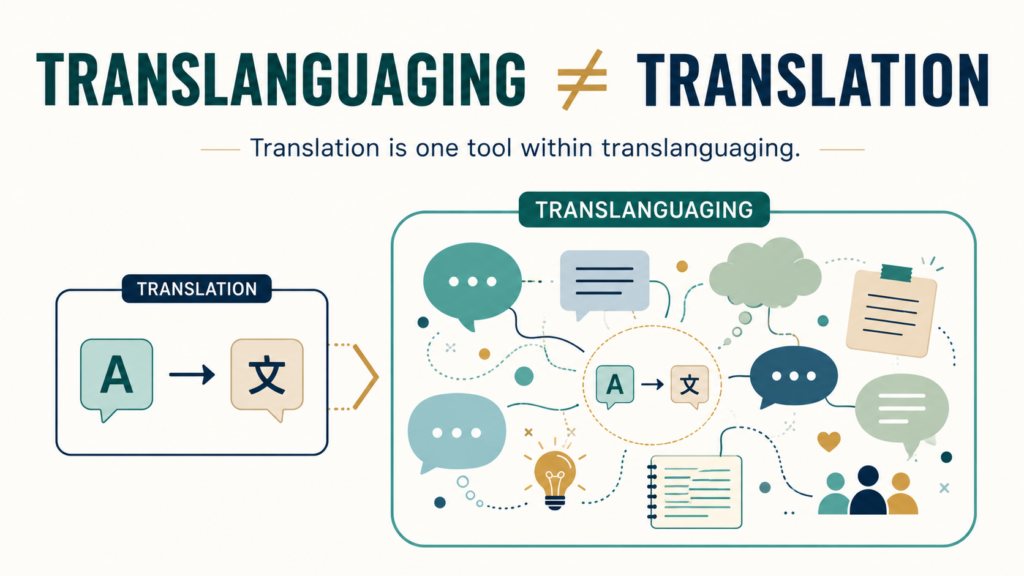
    How is translanguaging different from translation?

    Translation focuses on moving meaning from one language into another. Translanguaging is broader: learners may use different languages for processing, discussion, research, comparison, drafting, reflection, or communication. The goal is to use a learner’s full linguistic repertoire strategically, rather than simply reproduce the same message in another language.

    Ready to strengthen language inclusion in your school?

    Whether you are beginning the conversation or looking to move from isolated strategies toward a more coherent school-wide approach, Conex-Us can help you identify practical next steps for your context.