Global Identity Cannot Live on International Day Alone

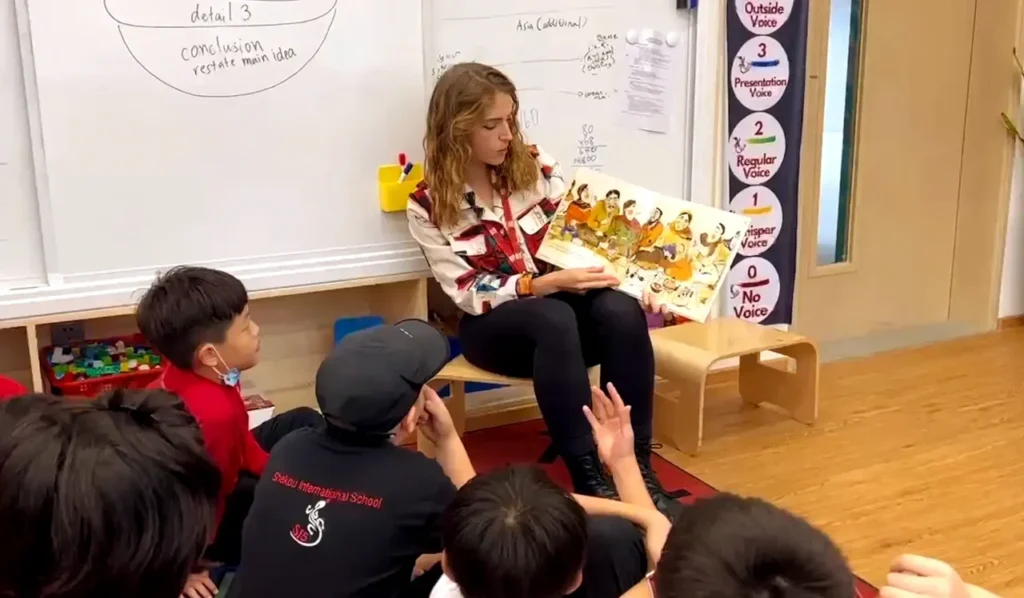
I didn’t discover multilingual education in a textbook.
I lived it.
In second grade, I entered a Spanish immersion program where I learned math and science entirely in Spanish. Not vocabulary lists, not “Hola, ¿cómo estás?” worksheets.
Real content. Real academic thinking. In a language that was not my home language, and it changed me.
I learned about the Earth’s rotation and memorized my times tables in Spanish before I even knew what was happening in English.
I remember the mental stretch.
The struggle.
I went home in tears after my first day of school, because I didn’t understand anything my teacher said.
That experience shaped how I see learning.
Fast Forward: My First Years in International Schools
When I began teaching in international schools, I assumed multilingualism would be everywhere.
After all: “international,” right?
But what I saw surprised me.
All of the classrooms I walked into operated as if they were monolingual spaces.
English-only norms were often unspoken but strongly enforced.
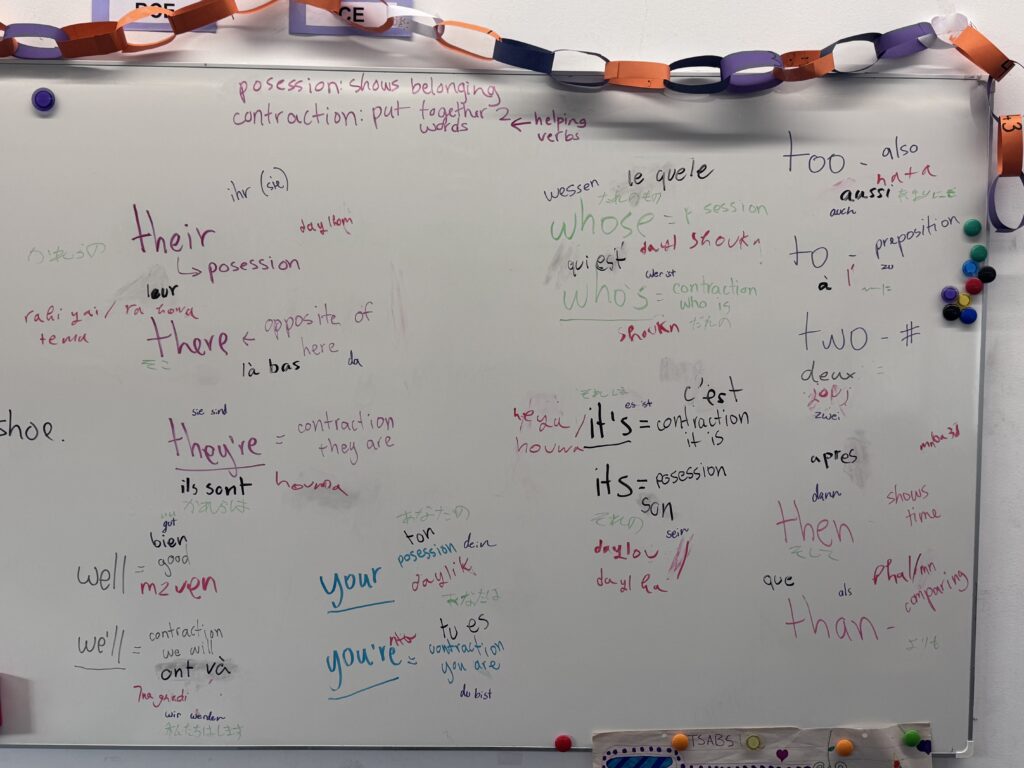
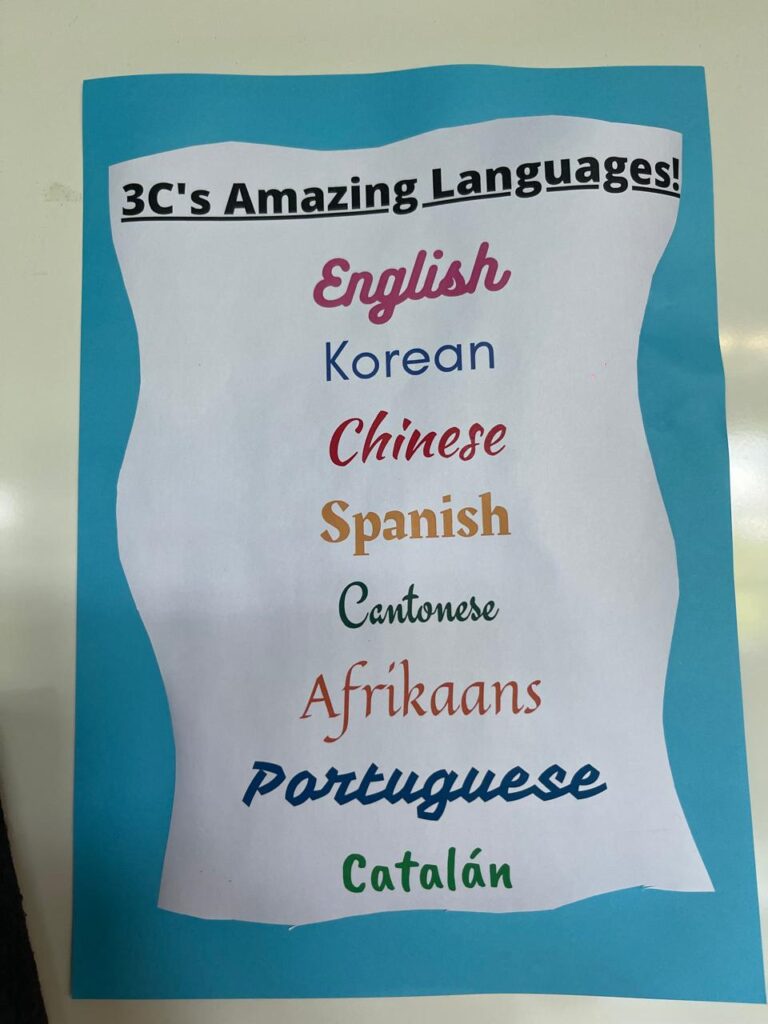
Students’ home languages and cultures were celebrated on special days… but essentially ignored during daily classroom instruction.
And I kept thinking:
We are sitting in rooms full of linguistic resources.
Why are we ignoring them?
The Disconnect
International schools market themselves as global.
But all international teachers know that classroom practice usually doesn’t reflect that reality. It’s not their fault. Teachers want to support multilingual learners; they really do.
Yet most were never trained in how to leverage students’ full linguistic repertoires. It has rarely been embedded into mainstream teacher preparation outside of ELL support models.
So teachers default to what they know: a monolingual system. The result:
- Students simplify their thinking to fit English.
- Teachers lower expectations rather than scaffolding access.
- Families celebrate English acquisition while home language literacy skills erode, along with their child’s confidence and understanding.
That’s a structural disconnect.
And it doesn’t have to be this way. It shouldn’t be this way.
Why Conex-Us Exists
Conex-Us was born from two truths:
- It is not easy to learn academic content in a language that isn’t your home language.
- It is a disservice when international schools even unintentionally operate as monolingual spaces.
There is so much untapped potential in linguistically and culturally diverse classrooms.
Language is not a barrier.
It is a cognitive tool.
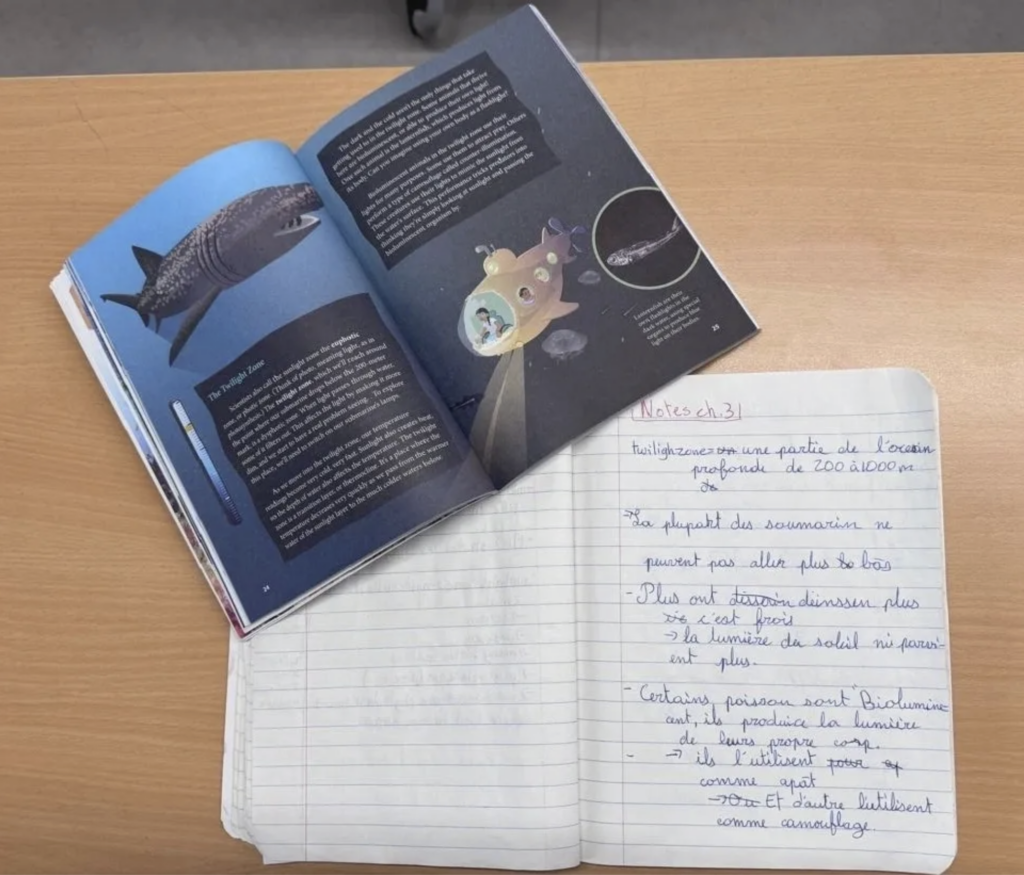
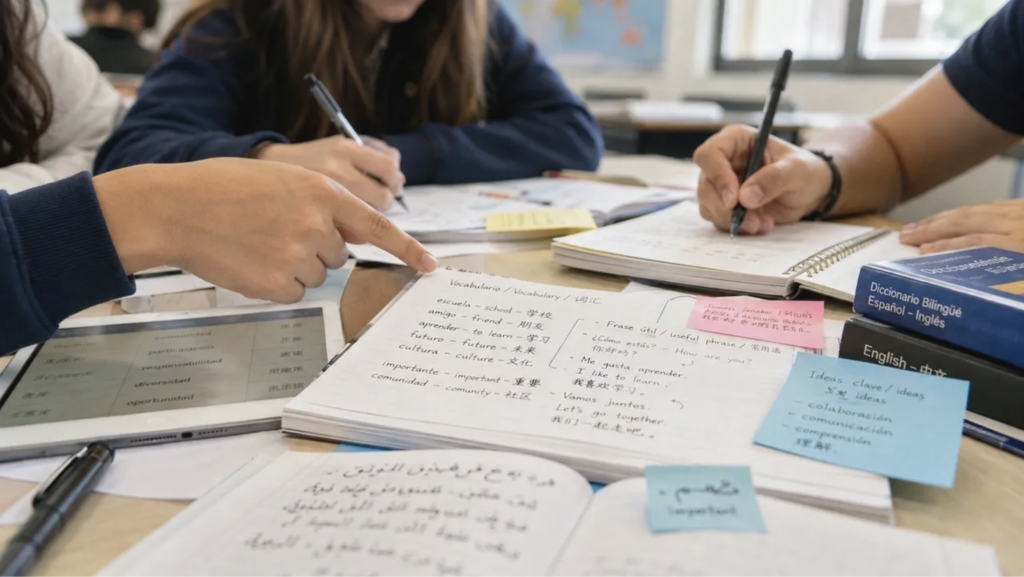
When students can process, discuss, draft, and reflect in multiple languages, that’s something special. Thinking deepens. Participation increases. Identity is protected.
And when schools intentionally design for linguistic inclusion, families feel it. Their uniqueness is recognized and celebrated: not overlooked, and not reduced to a token moment on a calendar.
The Translanguaging Mindset
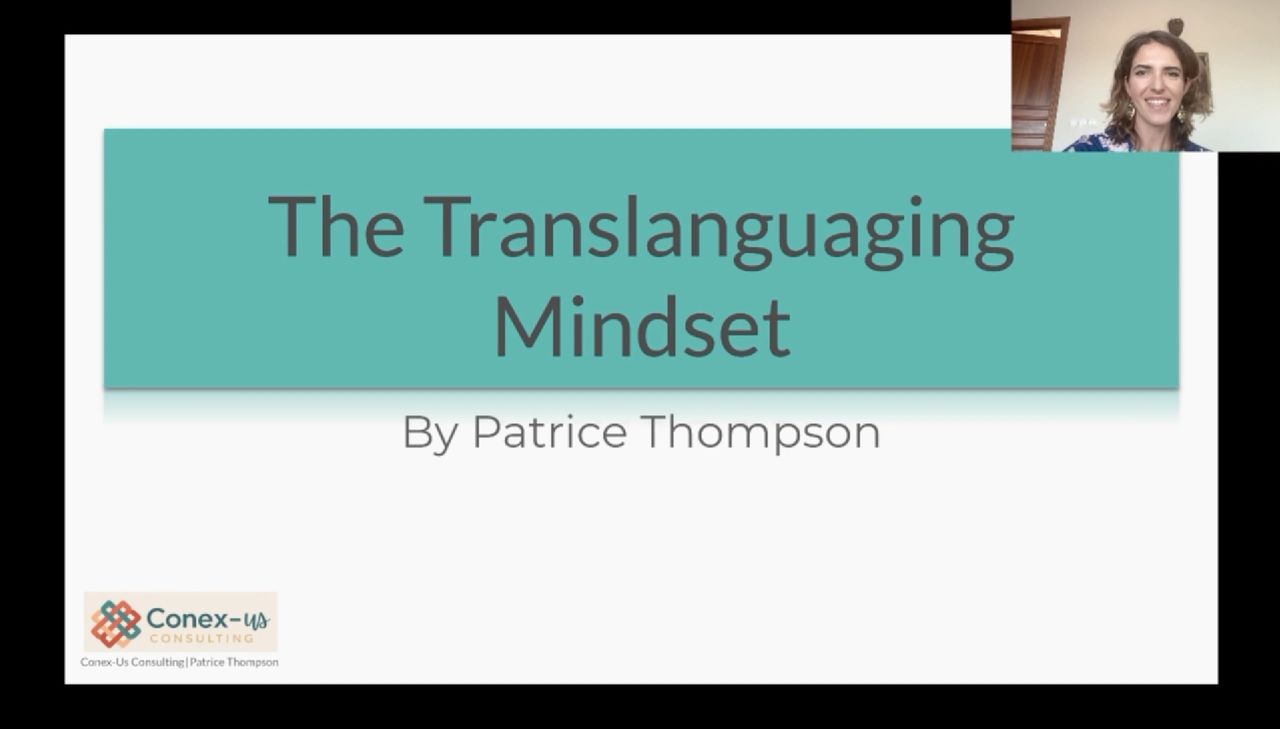
That is why we created The Translanguaging Mindset.
It is practical.
It is grounded in international school reality.
And it is designed specifically for international and bilingual school educators and leaders.
Inside, participants learn how to:
• Activate home language for deeper thinking
• Structure multilingual group work effectively
• Avoid common unintentional exclusion patterns
• Model positive attitudes toward linguistic diversity
• Build classrooms that feel truly international
• Build systems that support student and family belonging
This course is not about adding more work.
It is about shifting mindset — and unlocking what is already present in your community.
👉 Explore the course here:
https://conex-usconsulting.com/translanguaging-course/
This Goes Beyond the Classroom
International schools today are navigating a complex landscape.
Enrollment is competitive. Families are asking thoughtful questions about belonging and identity. Students are growing up across languages, cultures, and communities.
Global identity cannot live on “Culture’s Day” alone. It has to be woven into everyday classroom practice — into how students think, speak, collaborate, and learn.
Conex-Us was built to help bridge that gap between intention and implementation. We have seen what multilingual learning makes possible, and where systems unintentionally fall short.
We believe international schools can move forward intentionally, strategically, and sustainably: not by adding more initiatives, but by aligning daily instruction with the global values they already hold.
If your school is ready to align its global mission with classroom reality, let’s talk.
Responses