What Does a Language-Inclusive Classroom Actually Look Like?

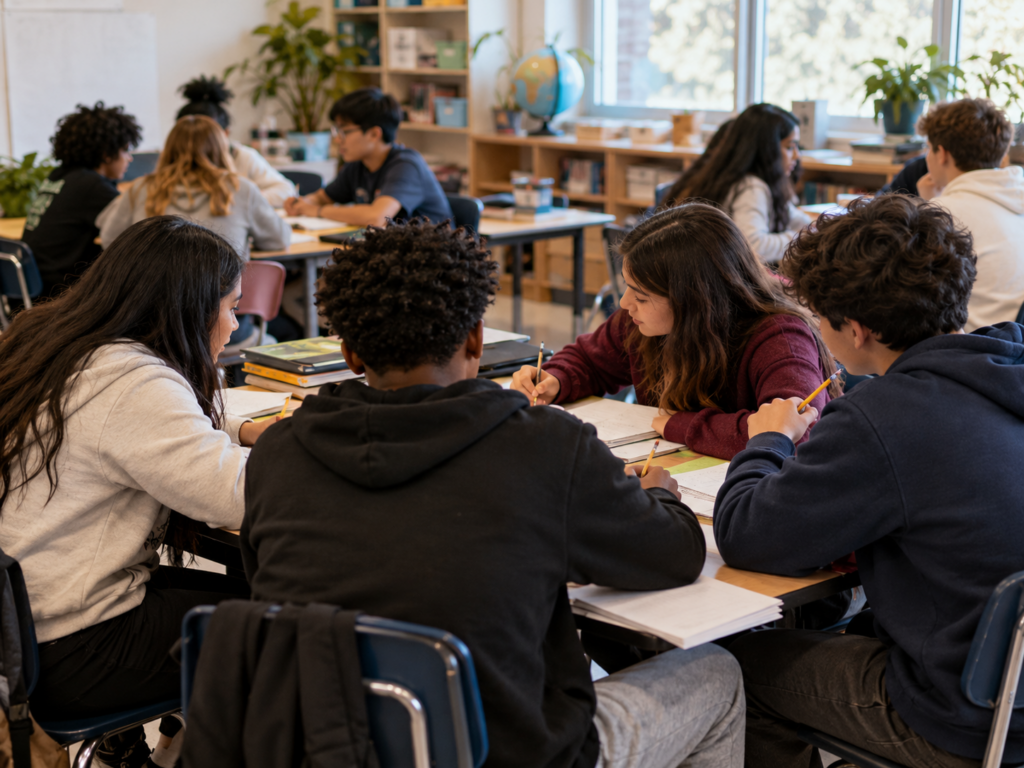
Imagine walking into a classroom of 24 students.
There are six languages represented in the room. The teacher speaks English, and perhaps a little French. Most of the instructional materials are in English, and English is the primary language of instruction.
So what would make this a language-inclusive classroom?
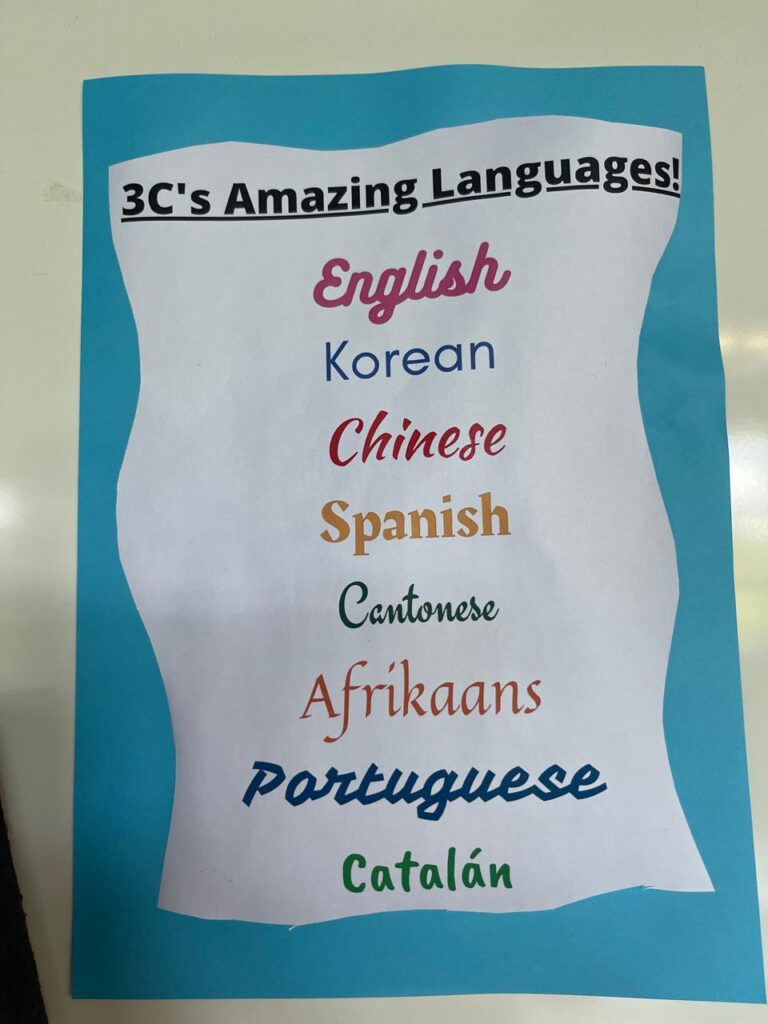
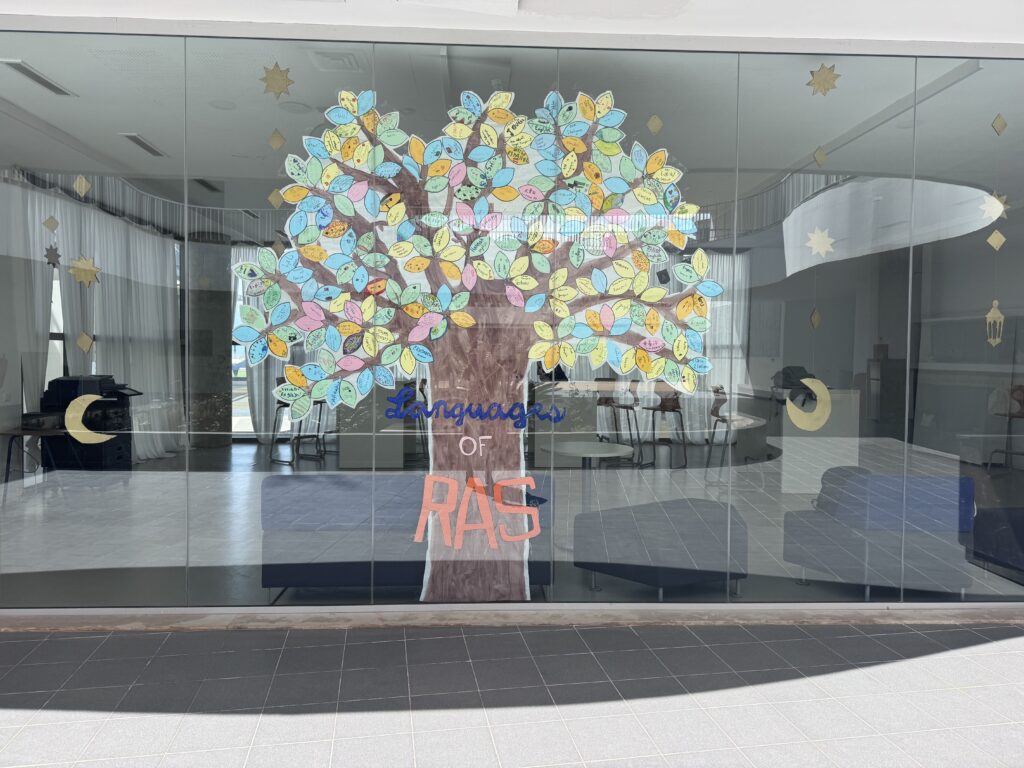
Would we expect to see welcome signs in six languages? Multilingual posters? Flags representing the students’ countries?
Those can be lovely ways to acknowledge the languages and cultures represented in a community.
But they don’t tell us very much about the learning happening inside the classroom.
A language-inclusive classroom isn’t defined by how many languages are displayed on the walls. It’s defined by how students’ linguistic resources are included in the learning.
Let’s take a look at what that might mean in practice.
1. Students have access to more than one pathway into learning
It’s the beginning of a science lesson.
The teacher introduces the concept of adaptation. Students will investigate how different organisms survive in their environments.
Before reading the English text, students have a chance to talk about what they already know.
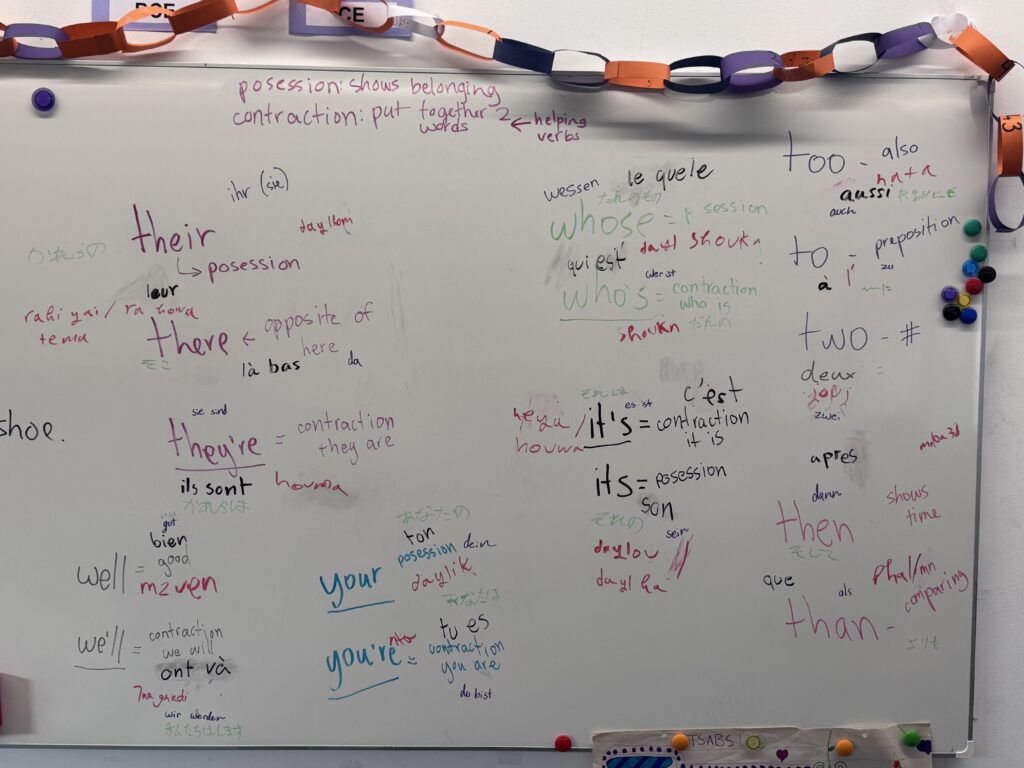
Some discuss the concept in English. Others use another shared language. A few make sketches or jot down ideas using words from more than one language.
The teacher doesn’t need to understand every conversation to make this activity purposeful.
She knows what students are working toward. She has provided guiding questions and a clear task, and students will have opportunities to share what they’ve understood.
The purpose is to activate relevant knowledge before introducing new information.
Rather than requiring students to begin every learning experience through English alone, the teacher creates opportunities for them to draw on the knowledge they already possess.
2. Academic language is taught explicitly, without becoming a barrier to thinking
Later in the lesson, students are asked to explain how an animal’s physical characteristics help it survive.
The teacher models the language of explanation:
- adaptation
- characteristic
- environment
- because
- as a result
She provides examples of how students might construct an explanation and draws attention to how evidence supports scientific claims.
This is important for everyone.
Monolingual English-speaking students also need explicit instruction in the academic language of science.
But there’s something else happening.
Students aren’t required to wait until they can produce a polished English explanation before they can engage in scientific reasoning.
They might discuss a concept using another language, organize their thinking visually, or make connections with terminology they already know.
The teacher is developing academic English while maintaining access to the intellectual work.
English acquisition is important. But English is not the final destination.
Learning is.
3. Cultural knowledge is part of the curriculum, not an occasional celebration
Now imagine a social studies lesson about migration.
Students are examining the reasons people move between communities and countries.
The teacher has selected several historical and contemporary examples.
But she also creates opportunities for students to bring perspectives and knowledge from their own communities into the discussion, without expecting anyone to speak for an entire culture.
Students might recognize similarities between migration stories, notice differences in how communities describe belonging, or examine how historical events are understood from different perspectives.
These experiences aren’t simply additional stories to make the lesson more interesting.
They can deepen the inquiry itself.
The teacher has expanded the perspectives available for students to examine and given them more opportunities to connect curriculum content with the world beyond school.
Language inclusion isn’t only about which languages students speak. It’s also about whose experiences, interpretations, and knowledge are recognized as valuable.
What you might not notice immediately
Here’s something important.
If you walked into these classrooms for five minutes, you might not notice anything particularly unusual.
You might see students reading English texts, responding to questions, discussing ideas, and completing assignments.
You might hear mostly English.
But that wouldn’t necessarily tell you whether the classroom was language-inclusive.
You’d need to look a little more closely.
Are students encouraged to use their other languages to develop understanding? Does the teacher welcome and explore linguistic connections? Are students’ experiences and cultural perspectives treated as intellectual resources? Does assessment distinguish between what a student understands and what they can currently express in English?
These are questions about instructional design.
And the answers reveal much more than the languages displayed on the walls.
Language inclusion doesn’t require every teacher to be multilingual
One of the most common concerns I hear is that teachers don’t speak the languages of their students.
But language inclusion doesn’t require teachers to provide instruction in every language represented in the classroom.
It requires us to examine how our instructional choices create or restrict opportunities for multilingual learners.
We can design tasks that allow students to draw on their existing knowledge, and explicitly teach the language needed for academic participation.
We can create opportunities to make connections across languages and cultures.
And we can be thoughtful about when English is necessary for a particular learning goal and when insisting on English alone may create an unnecessary barrier.
These aren’t separate activities reserved for multilingual students.
They’re decisions about how we design learning for everyone.
From celebrating multilingualism to designing for it
Many schools are already doing meaningful work to celebrate the languages and cultures of their communities.
That’s worth recognizing.
But language inclusion has to extend into the everyday experiences of teaching and learning.
It appears in the questions we ask, the materials we select, the ways students process information, the expectations we establish, and the opportunities we create for participation.
It isn’t one strategy, one multilingual display, or one special celebration.
It’s an approach to designing learning.
And it starts with a deceptively simple question:
What could students do with the linguistic and cultural resources they already have if our classrooms deliberately made room for them?
At Conex-Us Consulting, I work with teachers and school leaders to move from valuing multilingualism to designing for it. Explore professional learning opportunities to begin that conversation.
Responses