Why Multilingual Learners Aren’t Just the EAL Department’s Responsibility

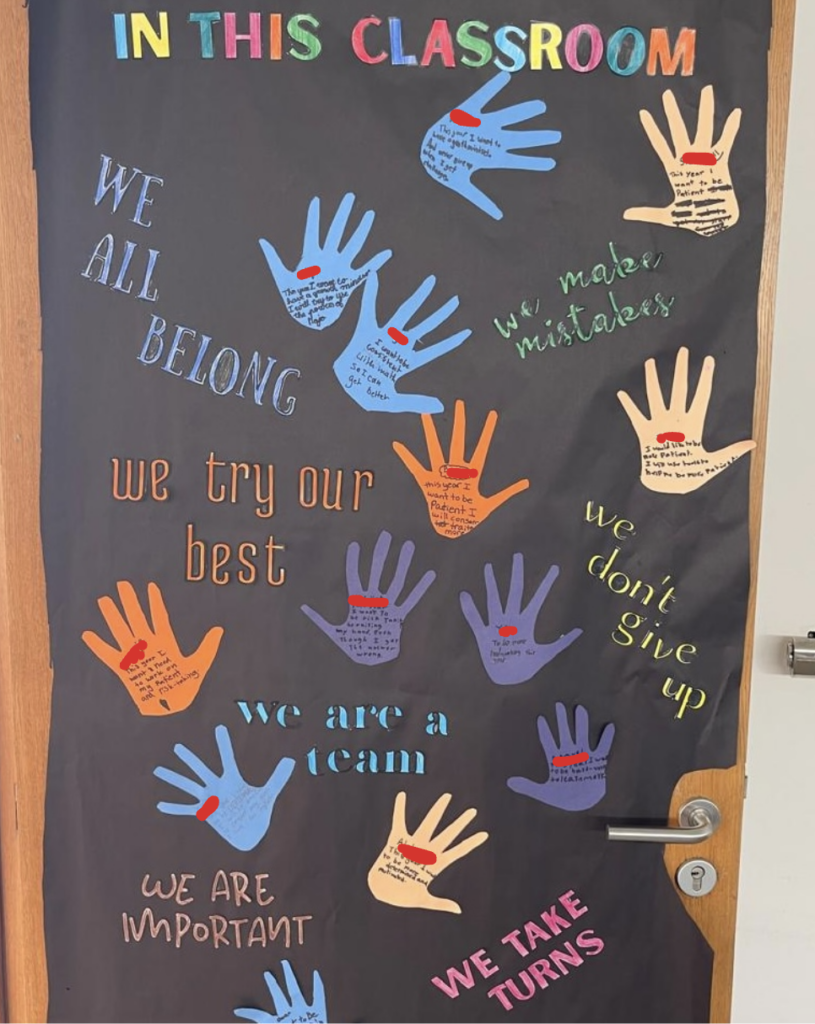
Why multilingual learners become the EAL team’s responsibility
A multilingual learner is struggling with a science text.
The classroom teacher notices.
Someone says: “Can EAL help them?”
It is a perfectly reasonable question.
But when that becomes the default response every time a multilingual learner encounters difficulty, something important can happen: Responsibility for the student quietly moves out of the classroom.
That is where many schools get stuck.
The EAL or language-support team becomes responsible for assessing students, building resources, explaining student needs, adapting materials, supporting language development, communicating with families, coaching teachers, and responding whenever a multilingual learner struggles.
That model can work for a while… until it doesn’t.
Because multilingual learners do not spend their entire school day in the EAL classroom. And they shouldn’t — they are at school to be with other kids, and to learn things besides English.
They learn mathematics, science, humanities, art, design, physical education, literature, and everything else through mainstream classrooms.
Which means multilingual learning is not a specialist issue operating beside the curriculum. It is part of the curriculum.
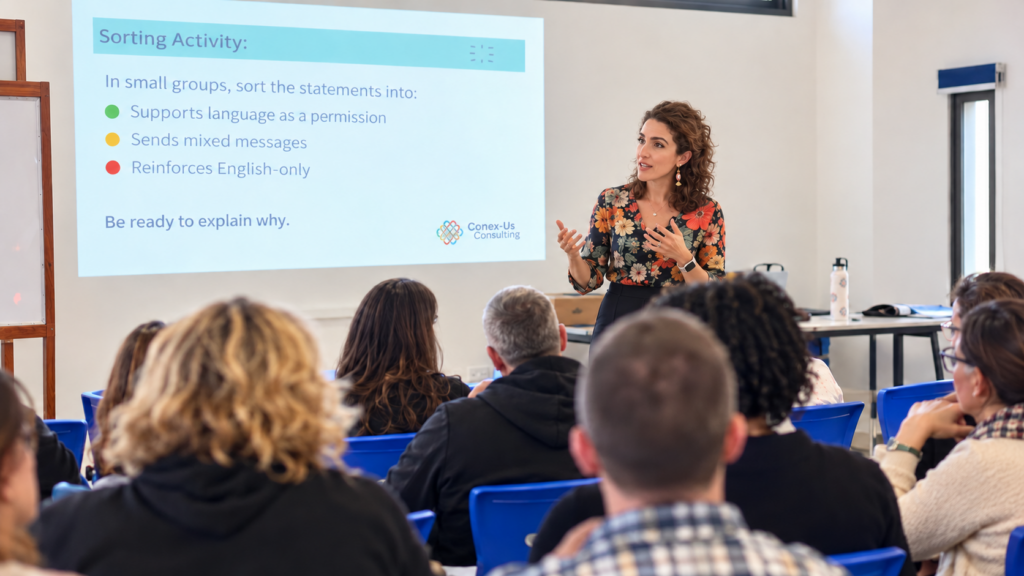
Specialist expertise is still specialist expertise
Shared responsibility does not mean that every classroom teacher suddenly becomes an EAL specialist.
Language development is an area of expertise.
EAL professionals bring deep knowledge of language acquisition, proficiency development, assessment, scaffolding, multilingual pedagogy, and the relationship between language and content.
That expertise is important.
The shift is not from specialist support to no specialist support. It is from specialist ownership to shared ownership.
That distinction is easy to miss.
If the EAL team becomes the place where multilingual learning “lives,” mainstream teachers can begin to see multilingual students as someone else’s responsibility.
And specialist teams can become trapped in a constant cycle of responding to individual problems rather than influencing what happens across the wider school.
Language is already part of every subject
One reason this division persists is that schools often talk about language as though it belongs primarily to language teachers, but actually: language is already embedded in every subject.
A science teacher asks students to hypothesize, compare, justify, explain, and interpret evidence.
A history teacher asks students to evaluate sources, construct arguments, explain cause and consequence, and consider perspective.
A mathematics teacher asks students to interpret problems, explain reasoning, justify solutions, and communicate patterns.
These are not only content demands; they are language demands, too.
So the question is not whether mainstream teachers teach language.
They already do.
The question is whether mainstream teachers are equipped to recognize the language demands within their subject and design learning so that multilingual students can participate fully while continuing to develop proficiency in the language of schooling.
That is where the conversation begins to change.
When multilingual support becomes reactive
In many schools, support follows a familiar pattern: a student struggles, the teacher refers them, the EAL team responds, and sometimes that response is exactly what is needed.
But when the entire system is built around referral and response, multilingual support becomes reactive.
The specialist team becomes the place the school turns after friction appears.
That leaves an important question unexplored: What might change if specialist expertise shaped the design of learning before the students struggled?
That is a very different model.
It does not make the EAL team less important.
It makes their expertise more influential.
Instead of multilingual expertise sitting at the edge of the curriculum, it begins to shape the way teachers think about instruction, language demands, participation, assessment, and access.
And that is where schools begin moving from individual support toward whole-school multilingual design.
Shared responsibility does not mean identical responsibility
This is where schools can get nervous. If multilingual learners are everyone’s responsibility, does that mean everyone is responsible for everything?
Of course not.
Classroom teachers, EAL specialists, and school leaders bring different expertise and different kinds of responsibility.
The challenge is making sure those responsibilities are clear enough to support one another, rather than leaving multilingual learners to fall between them.
And the exact balance will look different in every school:
Staffing structures matter. Timetables matter. Teacher confidence matters. Student profiles matter. Leadership expectations matter. The history of the EAL program matters.
That is why the most useful question is not simply: what should the EAL department do differently?
It is: how is responsibility for multilingual learners currently distributed across the school?
That question often reveals much more.
The real issue is not whether teachers care
Most teachers care deeply about the multilingual learners in their classrooms.
The problem is rarely lack of goodwill. It is more often a lack of clarity, confidence, structure, or shared understanding.
Teachers may not know where their responsibility ends… and the specialist’s begins. EAL teachers may be expected to solve problems they do not have enough time or access to solve.
Leaders may believe multilingual learning is being addressed because strong specialists are in place, while classroom practice remains largely unchanged.
That is not an individual failure. It is a design problem.
And design problems require more than asking people to work harder.
They require schools to look at how responsibility, expertise, and decision-making actually move through the system.
From specialist support to multilingual design
A school can have an excellent EAL department and still struggle to create consistent multilingual practice across classrooms.
That is because multilingual education is broader than EAL support.
Some multilingual students are developing proficiency in the language of schooling. Others may already be highly proficient in it. Some are learning through bilingual or dual-language programmes. Some use additional languages primarily at home or in their communities.
What they share is not a single level of English proficiency.
What they share is a multilingual repertoire that can shape how they access, process, connect, and communicate learning.
A multilingual school, therefore, has to look beyond where language support is formally located.
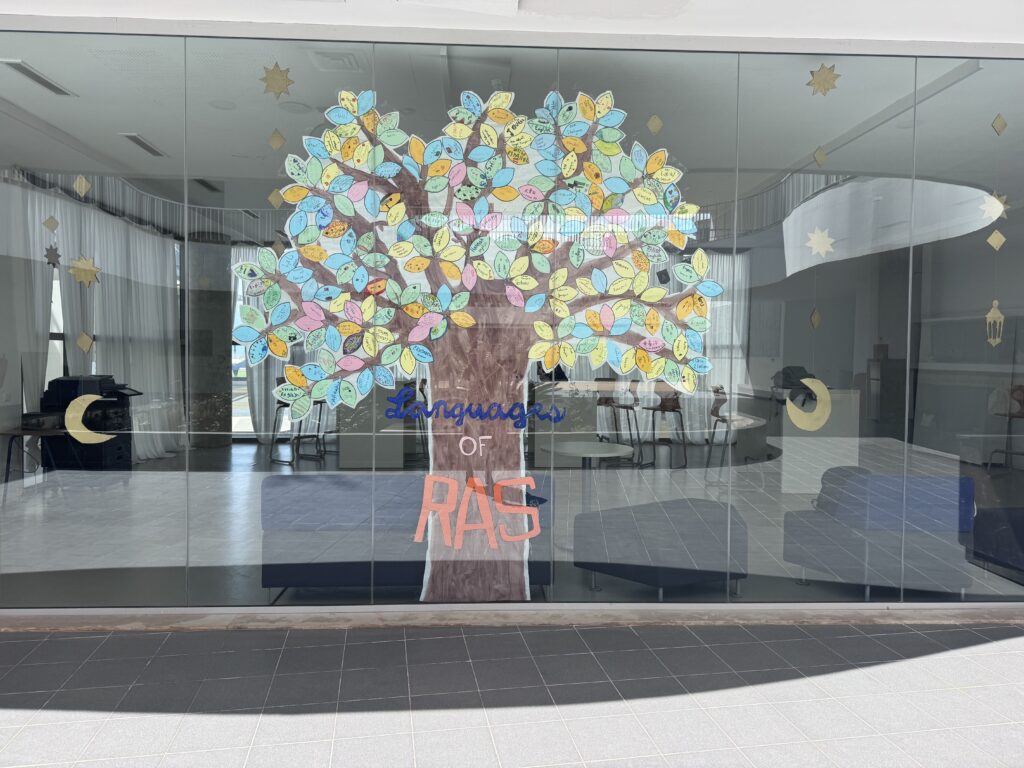
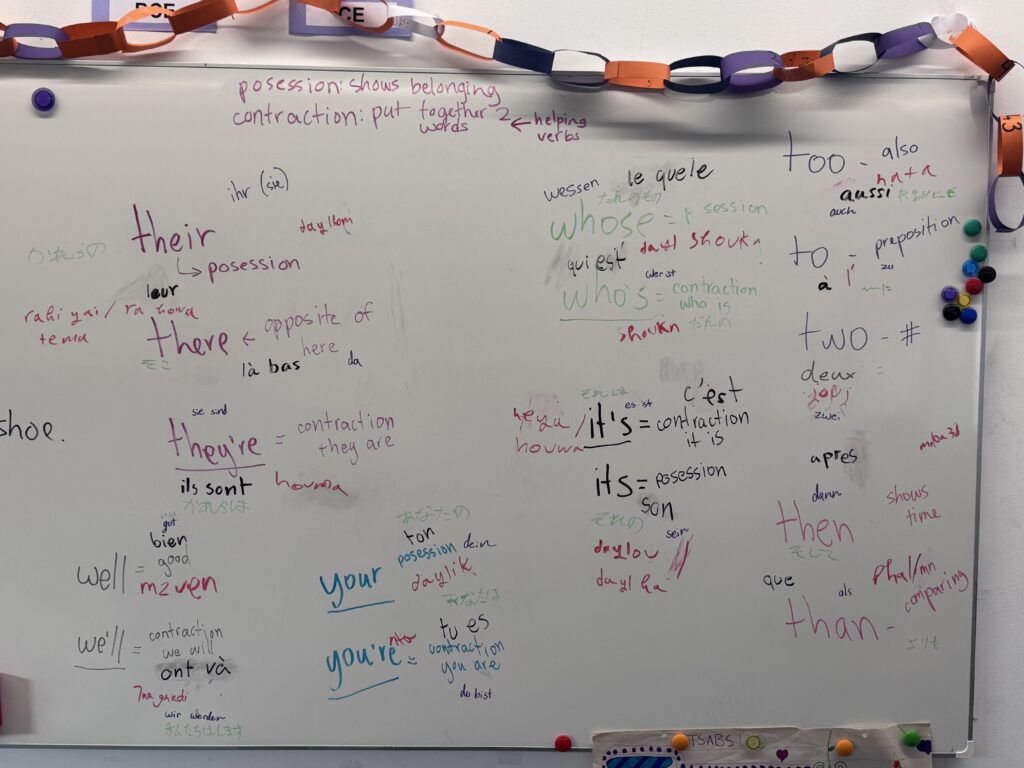
It asks whether teachers understand how language influences learning across subjects. It asks whether students’ existing languages and knowledge are treated as resources within mainstream instruction. It asks whether multilingualism is visible in curriculum design, assessment, classroom practice, leadership decisions, and the wider culture of the school.
And it asks whether language expertise, including EAL expertise, influences the system rather than remaining concentrated in one department.
The goal is not to make specialist expertise less specialized. The goal is to get the best use out of it.
Importantly, using home languages in the classroom design does not slow down English development.
What this means for school leaders
For school leaders, this changes the conversation.
Instead of asking: how can our EAL team support more students?
It may be more useful to ask: how can our school make better use of the multilingual expertise we already have?
That question shifts attention from individual intervention to system design.
And it opens up a much bigger conversation about teacher ownership, specialist expertise, leadership structures, and what multilingual support should actually look like across a school.
If your school is wrestling with that question, that is exactly the kind of work I support schools with: identifying where responsibility is getting stuck, where specialist expertise is being underused, and what a more coherent whole-school approach could look like.
Responses