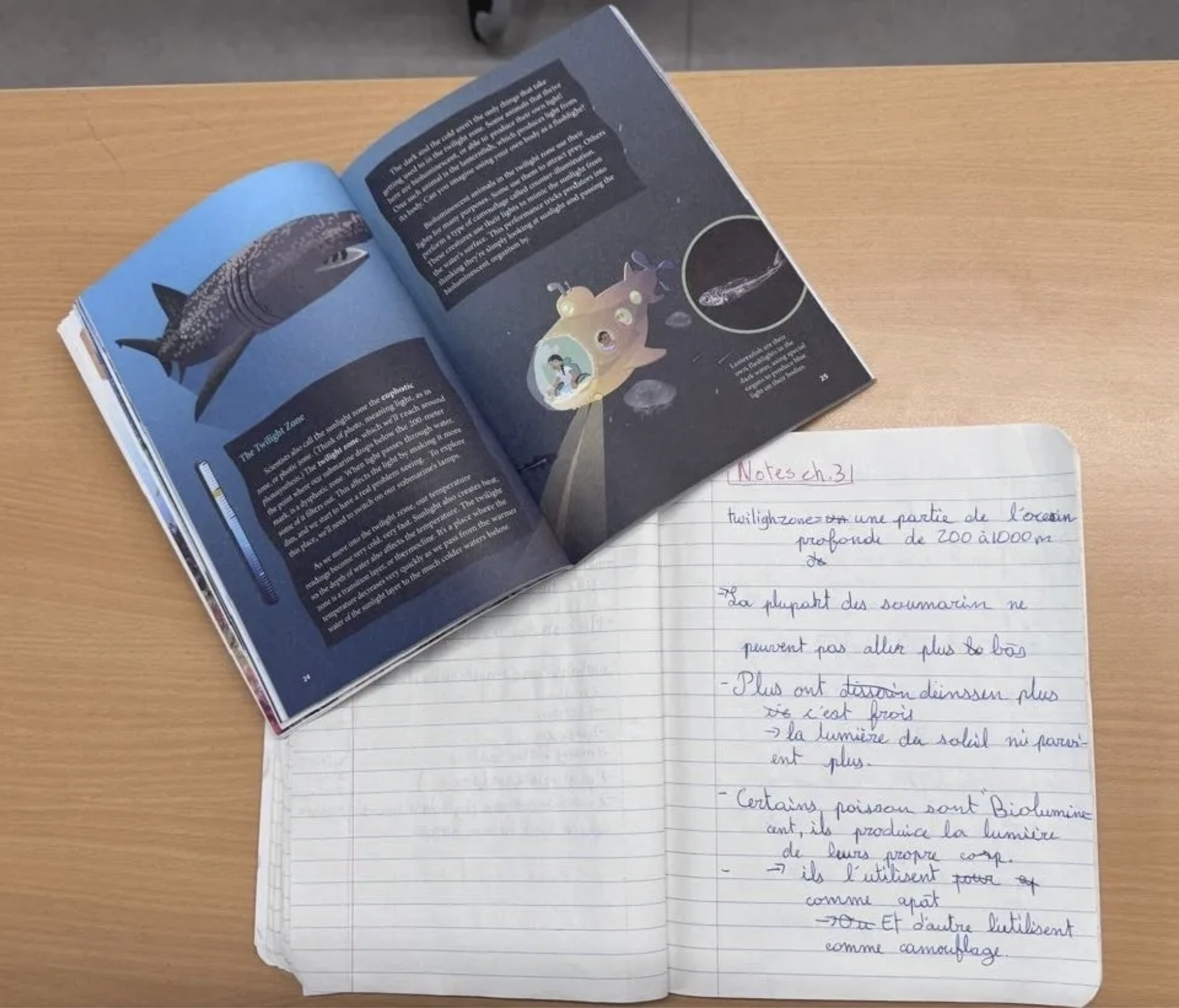

UDL for Multilingual Learners: Linguistic Variability Is Learner Variability
Universal Design for Learning asks us to anticipate learner variability rather than wait for students to struggle and then add support. But in multilingual schools,

Home / Blog
The Conex-Us blog
Practical articles for teachers and school leaders working with multilingual learners.

Universal Design for Learning asks us to anticipate learner variability rather than wait for students to struggle and then add support. But in multilingual schools,

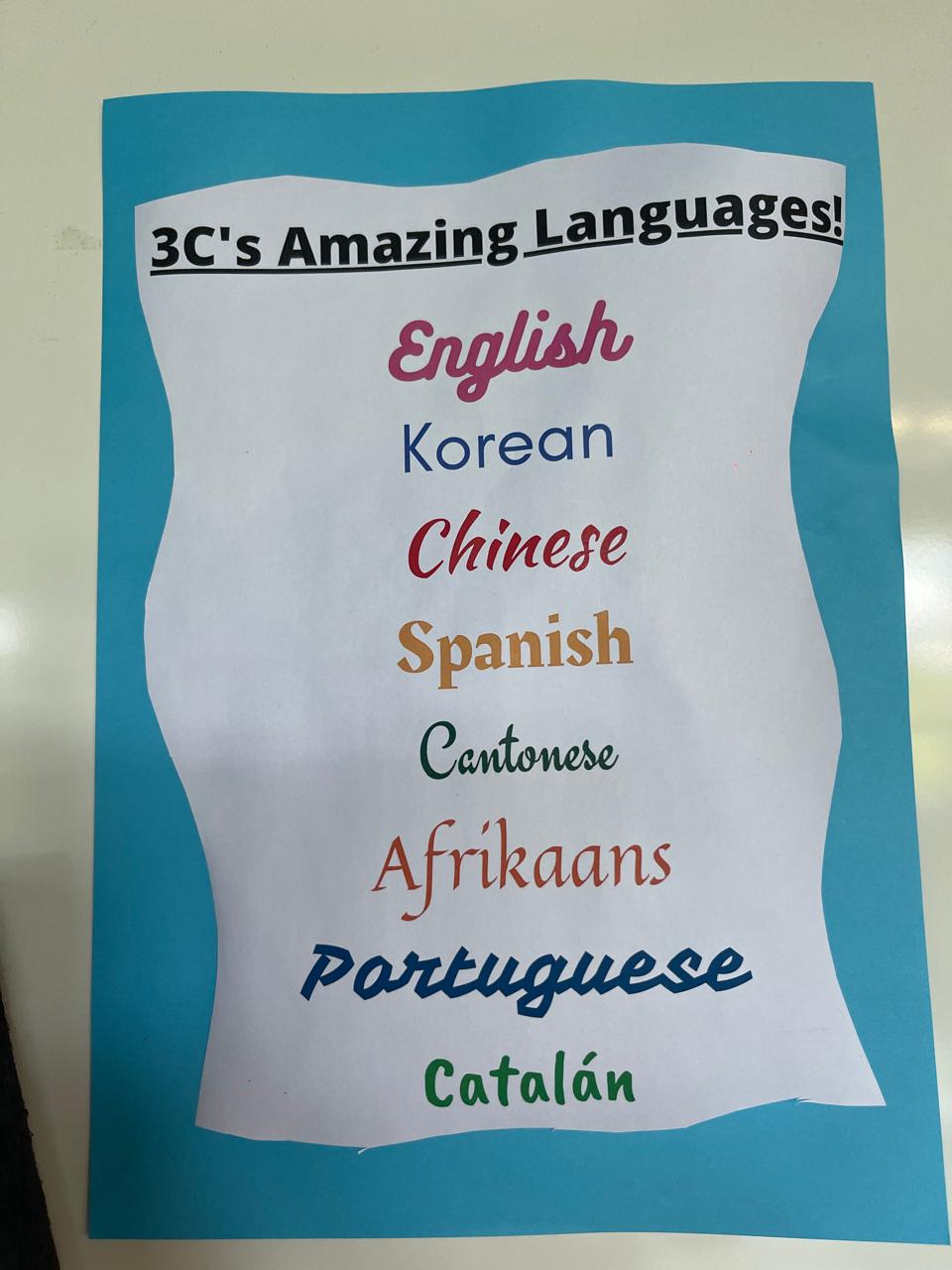
Rethinking English exposure, multilingual learning, and what success should look like Questions about translanguaging and English development often begin with a simple concern: if students

Translanguaging Strategies for the Classroom: Using Students’ Full Linguistic Repertoires Purposefully If you search for translanguaging strategies, you’ll find plenty of suggestions: Let students discuss

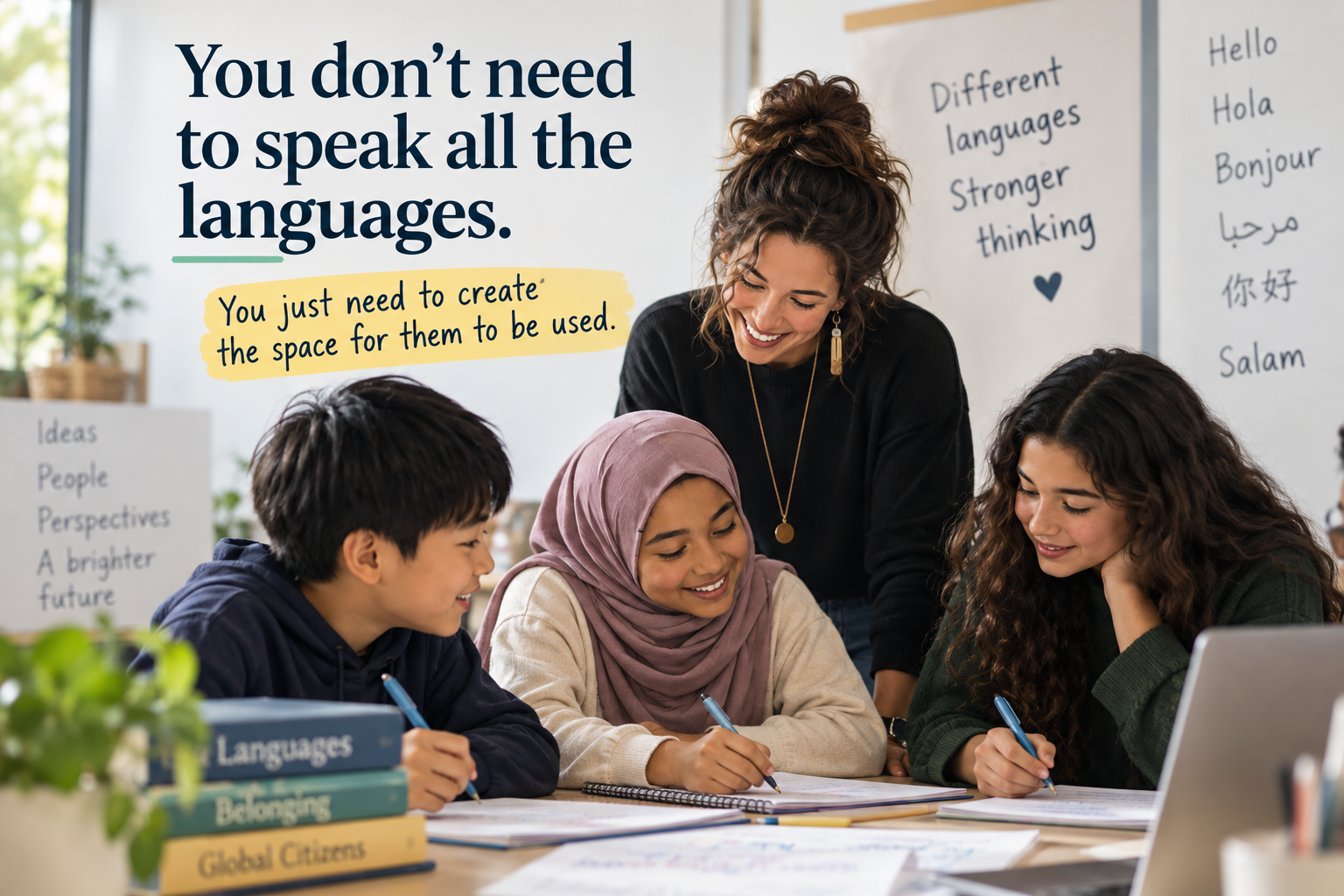
One of the most common reactions I hear when I talk about translanguaging is: “That sounds great, but I don’t speak my students’ languages.” Fair.

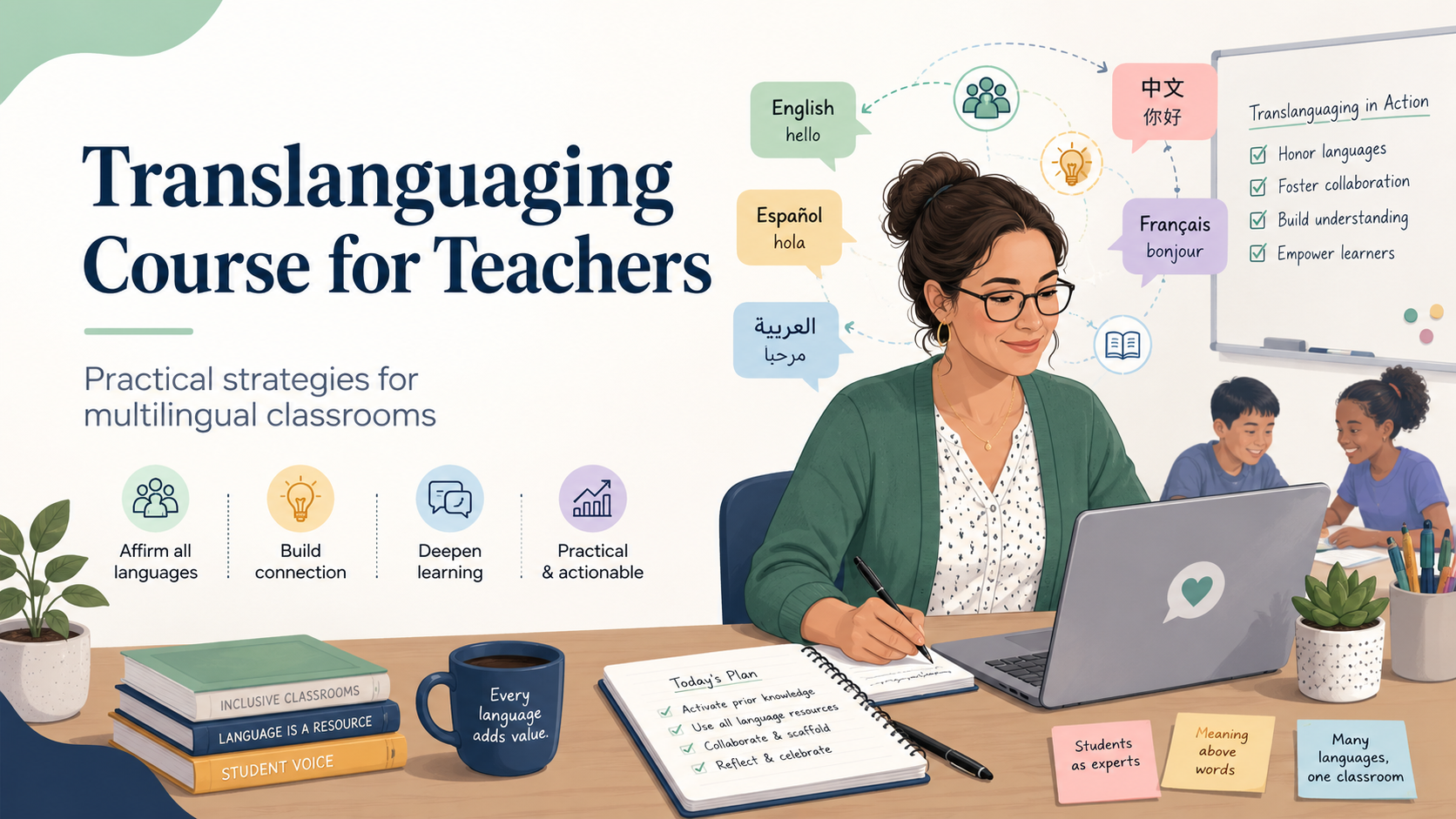
Practical Strategies for Multilingual Classrooms If you teach multilingual learners, you may already know that their languages are an asset. The harder question is usually:

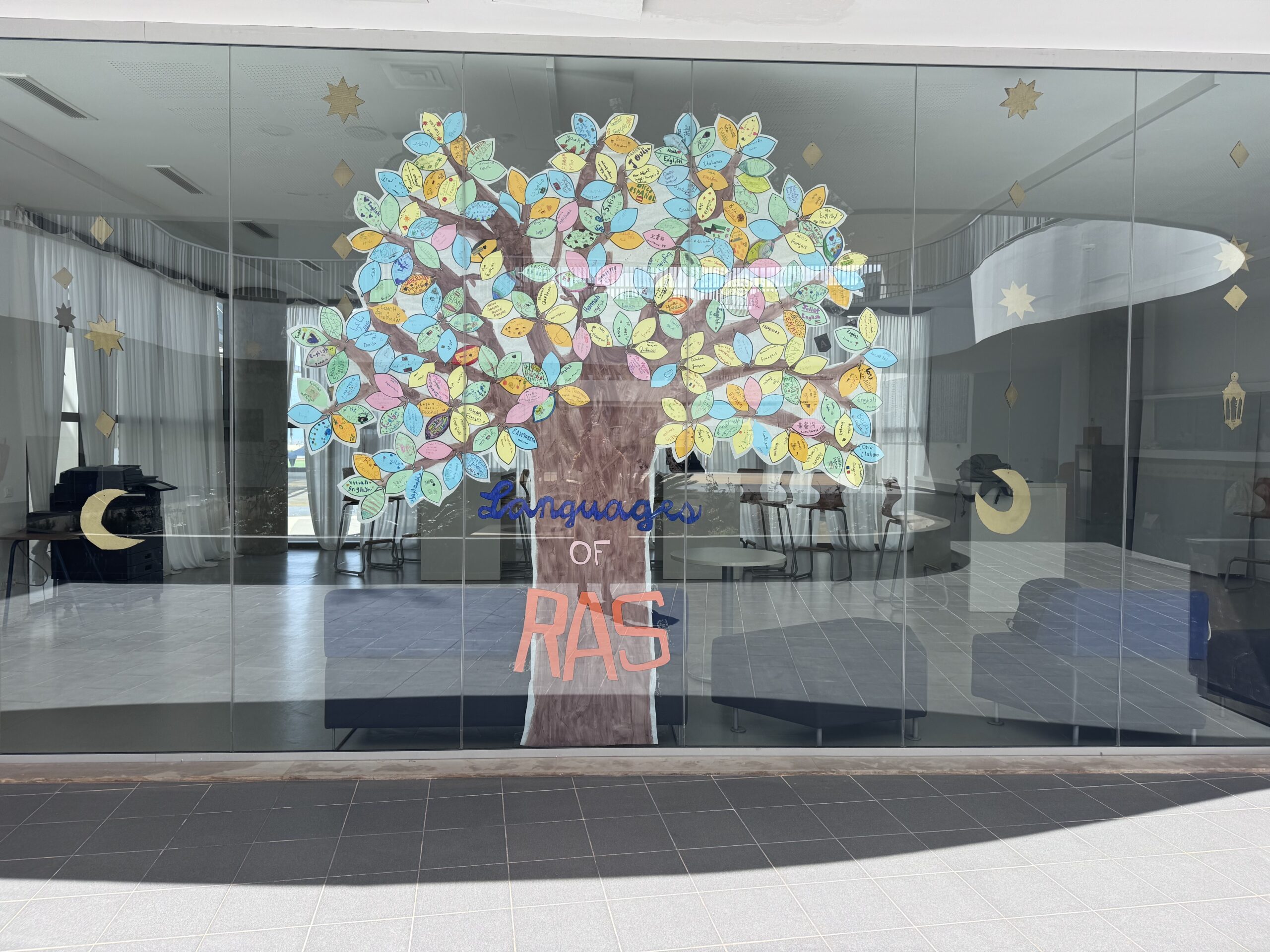
Walk into almost any international school and you’ll probably see multilingualism everywhere. Students speaking different languages on the playground. Families communicating across languages at pickup. Teachers

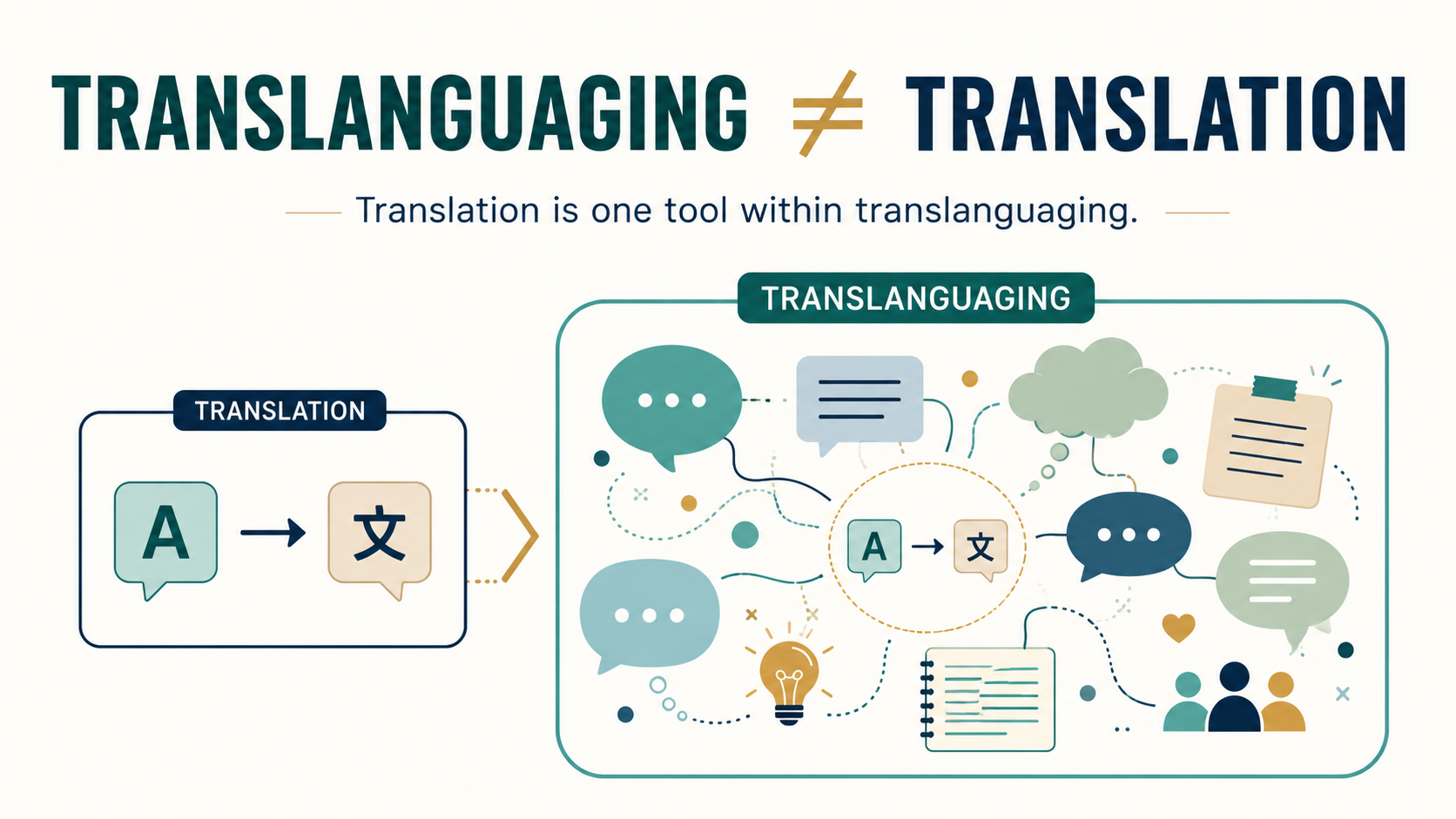
One of the most common misunderstandings I hear about translanguaging is that it basically means translation. Let students translate the worksheet. Let them look up

When schools talk about language inclusion, the conversation often turns immediately to students who are still learning English. That makes sense. Students developing proficiency in

.A lot of people think that translanguaging in the classroom must be complicated. It isn’t. At least, not necessarily. A lot of the time, it