Translanguaging vs. Translation: What’s the Difference?

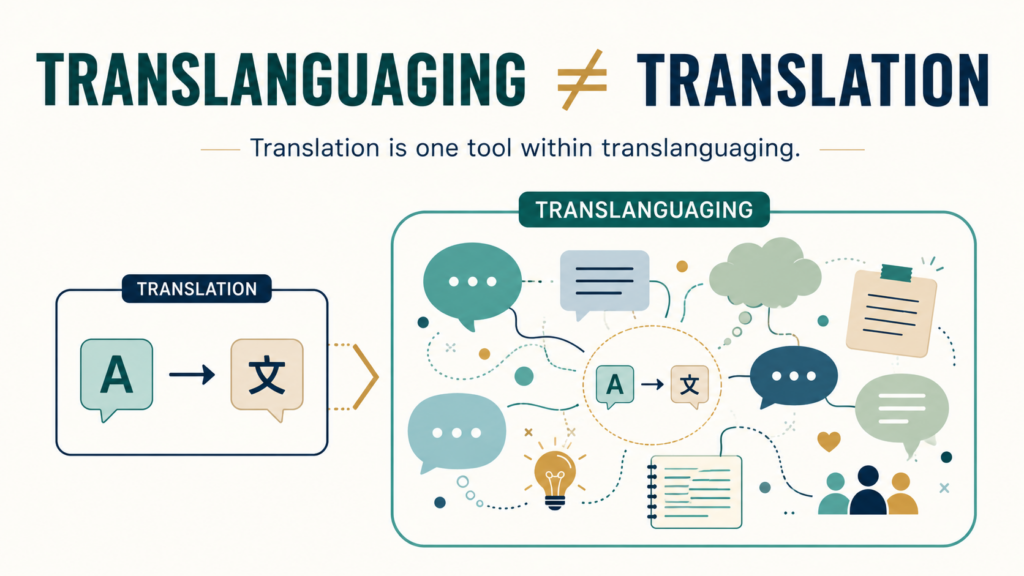
One of the most common misunderstandings I hear about translanguaging is that it basically means translation.
Let students translate the worksheet.
Let them look up unfamiliar words.
Put the directions into several languages.
And yes! Translation can be part of translanguaging.
But translanguaging is much bigger than translation.
The distinction is important, because simply translating more things does not necessarily create a more linguistically inclusive classroom.
So, What Is the Difference Between Translanguaging and Translation?
Translation usually involves moving meaning from one language into another.
You might translate a sentence from English into Arabic. A student might translate an unfamiliar word into Korean. A teacher might provide instructions in Spanish so that a student can understand what they are being asked to do.
Translanguaging, on the other hand, is about how multilingual people use their entire linguistic repertoire to think, communicate, learn, and make meaning.
Translation can fall under that umbrella, but it’s only one possibility of many.
A student might read something in English, talk through the idea with a classmate in Mandarin, make notes using both languages, connect the concept to something from home, and then explain their thinking in English.
Very little of that requires direct translation.
All of it can be translanguaging.
And that is where the distinction gets interesting.
Translation Works Best When There Is Actually Something to Translate
Imagine I ask a multilingual student:
“Translate these ten vocabulary words into your home language.”
Technically, I have brought another language into the lesson, but why is the student translating them?
Will they use those words for something afterward? Is the translation helping them understand the concept? Are they communicating with someone who needs that information?
Or did I simply create an additional task because I wanted the lesson to look multilingual?
That’s the difference between authentic and performative language inclusion.
I have worked with plenty of students who were academically successful in English. If I had asked them to translate everything we did into another language simply because they could, it would have added work without necessarily adding much thinking.
The goal is not to make multilingual students continuously reproduce the same information in multiple languages.
The goal is to recognize when another language can genuinely help them access, process, connect, communicate, or extend their thinking.
Sometimes translation does exactly that, but sometimes it doesn’t.
A Real Reason Changes the Task
Consider a student preparing something for their family.
Now translation has a purpose.
Perhaps the class has been learning about an environmental issue, and students are creating information they want their families to understand. A student whose parents are more comfortable reading Chinese might decide that part of the final product needs to be written in Chinese.
Now they have to make decisions: which ideas are most important? Does a phrase translate directly? Will the same explanation make sense to this audience? How should the wording change?
That’s when translation is no longer a vocabulary exercise; it is communication.
And because the student is drawing on multiple languages to make meaning for a real audience, it can become part of a much richer translanguaging process.
Sometimes There Is No Translation at All
A teacher I worked with in a training had a student who was struggling to participate successfully in class. She started deliberately giving him time to process new ideas in his own language before asking him to respond in English.
And something interesting happened.
His academic performance improved… but so did his behavior.
He was more engaged, less frustrated, and better able to participate in what was happening around him.
She wasn’t translating the lesson for him. He was using the language he knew best to process the learning, and then bringing that understanding back into the English-medium classroom.
That’s translanguaging.
And it’s a good reminder that sometimes, what looks like a language problem, or even a behavior problem, is really an access problem.
Translanguaging Can Also Extend Learning
Translation is frequently associated with helping English language learners access English-medium instruction.
That is important.
But translanguaging does not have to stop at access.
Imagine you are teaching fractions. You could certainly translate the word fraction into your students’ languages.
That may be useful, particularly for a student who already understands the mathematical concept but does not yet know the English terminology.
But you could also ask: When do people divide or share things in your family or culture?
Now students might think about food, celebrations, money, traditions, games, or other experiences they already understand.
Their languages and cultures are no longer simply helping them decode English.
They are helping them build another pathway into the mathematics.
That is a much broader understanding of what multilingualism can contribute to learning.
A Useful Question to Ask Yourself
When you are considering translation in the classroom, I think there is one particularly useful question:
Why does this need to be translated?
There are many excellent answers: a student needs access to information, a family needs to understand something, students are comparing how an idea is expressed across languages, a learner knows the concept but not yet the English terminology, or maybe someone is trying to communicate with a real audience.
In those cases, yes — translation can help serve the thinking.
But if the only answer is: “Because this student speaks another language,” I would keep thinking.
Multilingualism is not an extra assignment.
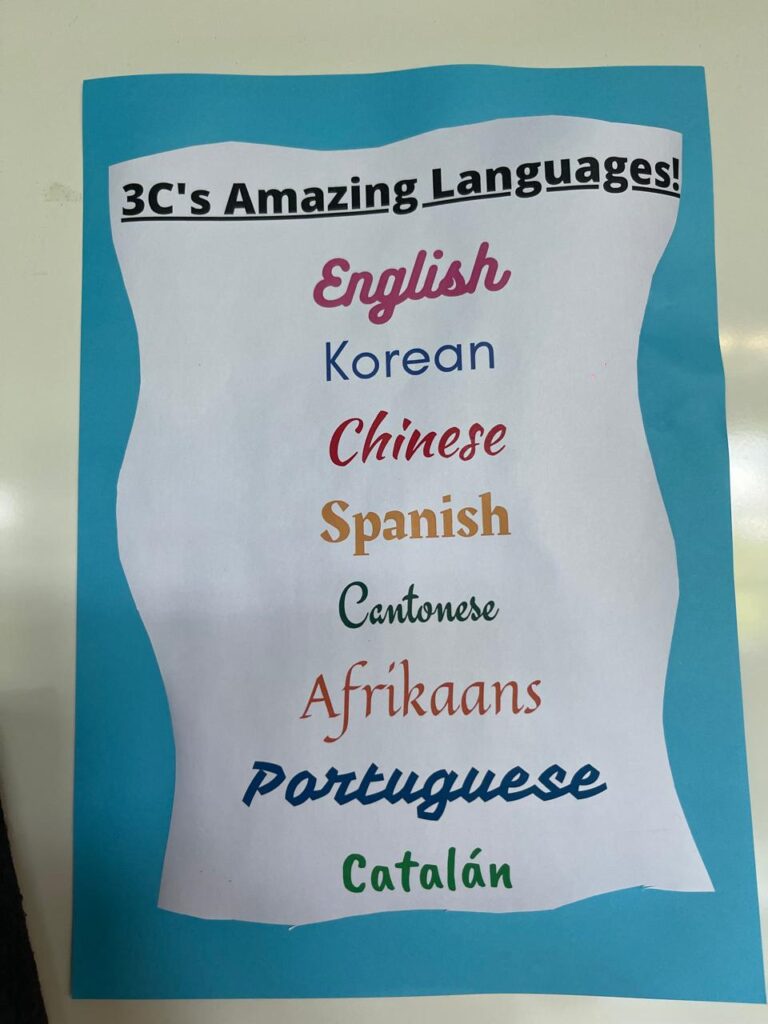
And translanguaging is not about taking everything that exists in English and duplicating it into another language. It’s about designing learning environments where students can use the linguistic and cultural knowledge they already have when that knowledge can genuinely help them learn.
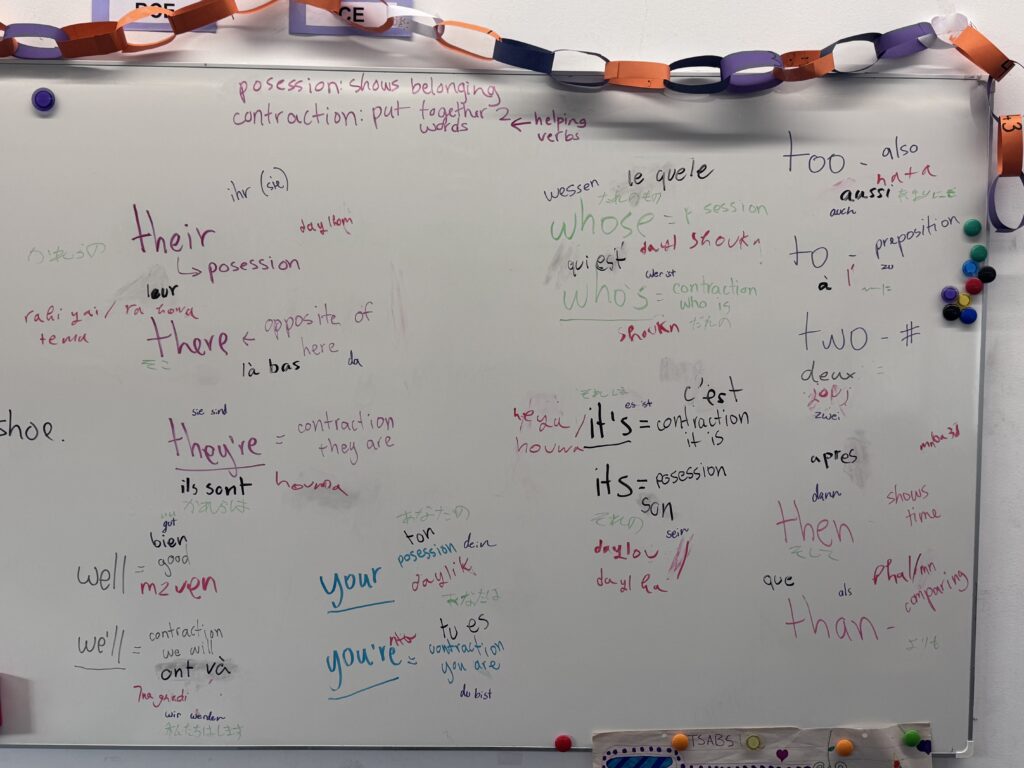
Sometimes that means translating, but sometimes it means discussing. And sometimes it means comparing. Sometimes it means making connections that would never appear on a translated worksheet.
And sometimes it simply means making sure students know that all of the languages they bring into your classroom belong there.
That is why I see translation as one tool within translanguaging — not the definition of it.
If you’re interested in what translanguaging can actually look like in everyday classroom practice, The Translanguaging Mindset explores practical ways to move beyond theory and design language inclusion intentionally for multilingual learners.
Share this post:


Responses