
Does Translanguaging Slow Down English Development?
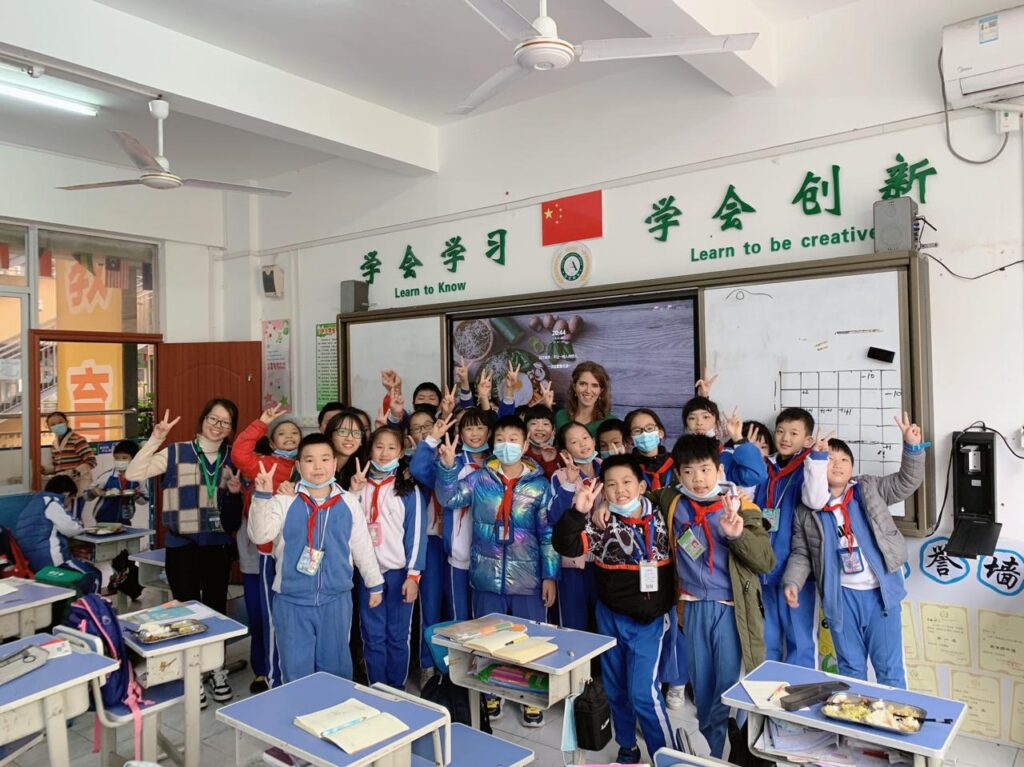
Rethinking English exposure, multilingual learning, and what success should look like Questions about translanguaging and English development often begin with a simple concern: if students use their other languages, are they getting enough English?If students use their other languages in school, won’t they get less English practice?… And if they get less English practice, won’t […]
Translanguaging Strategies for the Classroom: Using Students’ Full Linguistic Repertoires Purposefully
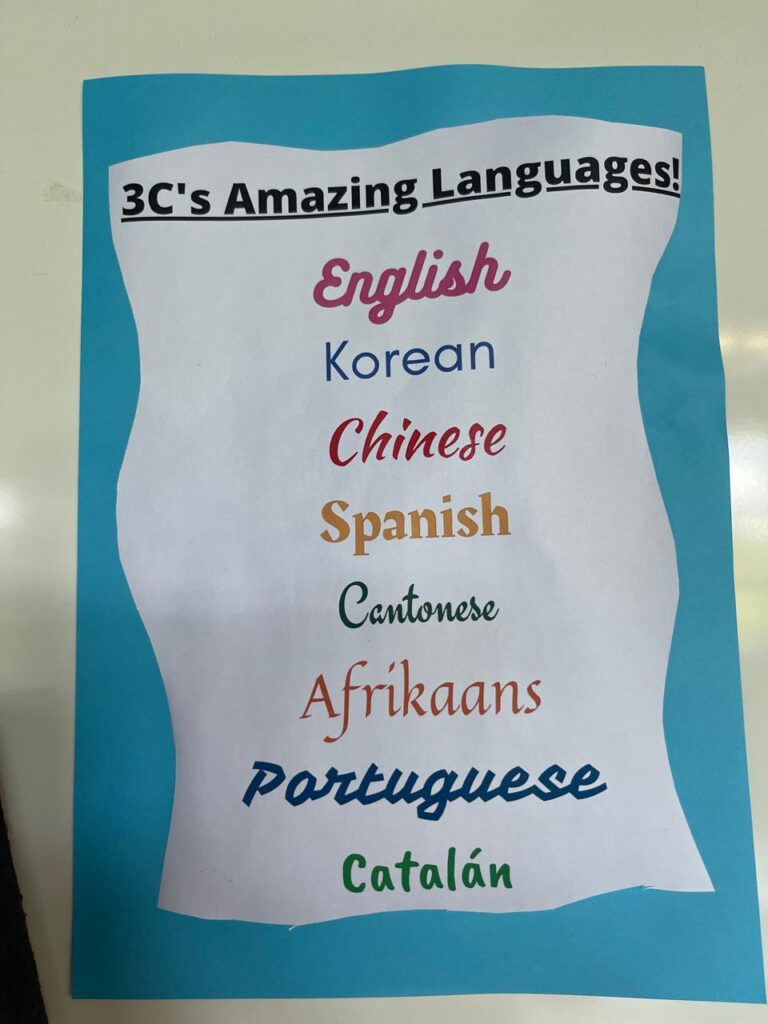
Translanguaging Strategies for the Classroom: Using Students’ Full Linguistic Repertoires Purposefully If you search for translanguaging strategies, you’ll find plenty of suggestions: Let students discuss in their home language. Use bilingual glossaries. Compare vocabulary across languages. Have students brainstorm in one language before writing in another. Those can all be useful strategies. But there is […]
How to Use Translanguaging When You Don’t Speak Your Students’ Languages
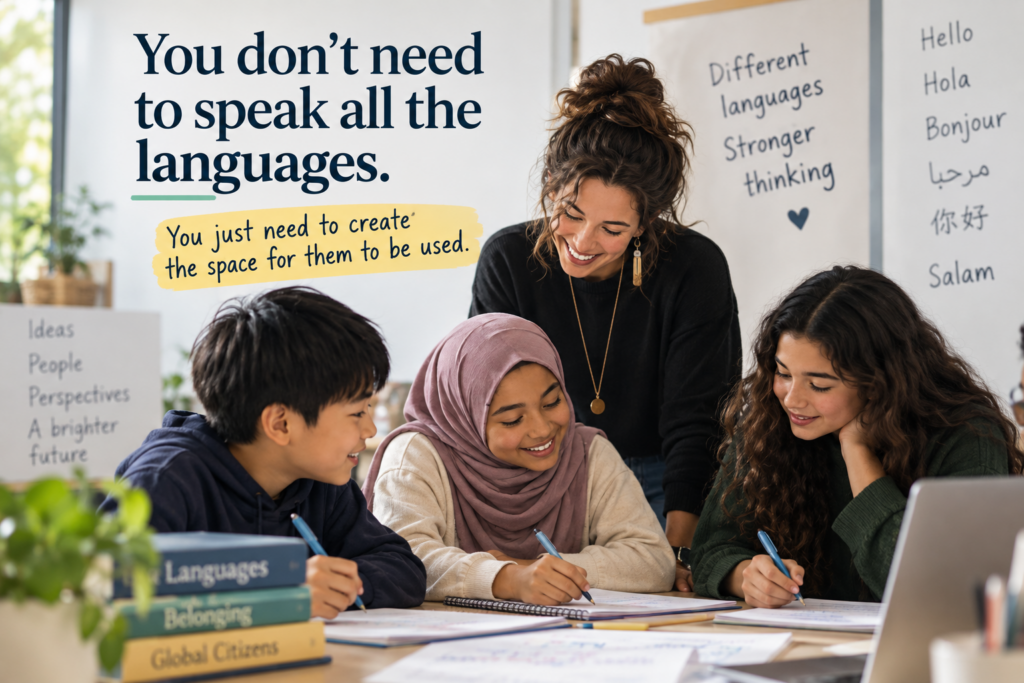
One of the most common reactions I hear when I talk about translanguaging is: “That sounds great, but I don’t speak my students’ languages.” Fair. If you have Arabic, Korean, Spanish, Mandarin, French, Ukrainian, and three other languages represented in one classroom, nobody is expecting you to spend your weekend becoming conversational in all of […]
Translanguaging Course for Teachers: Practical Strategies
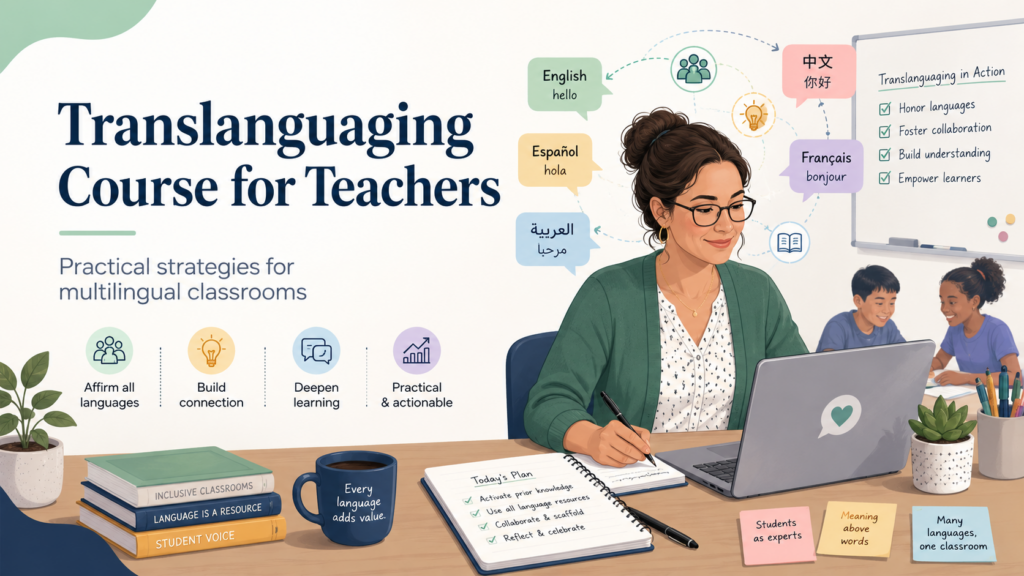
Practical Strategies for Multilingual Classrooms If you teach multilingual learners, you may already know that their languages are an asset. The harder question is usually: What does that actually mean for my teaching? Maybe you’ve heard the word translanguaging in a workshop, read about it online, or seen examples of students using multiple languages during a lesson. […]
How Can a School Become More Language-Inclusive?
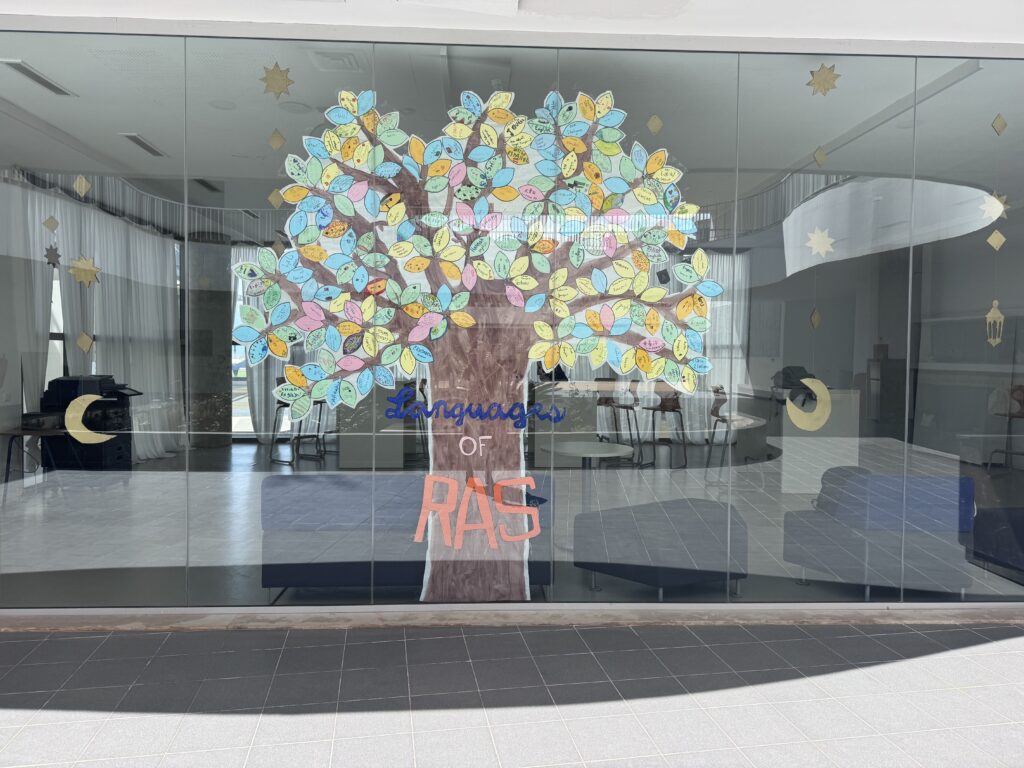
Walk into almost any international school and you’ll probably see multilingualism everywhere. Students speaking different languages on the playground. Families communicating across languages at pickup. Teachers and staff switching between languages throughout the day. And then the bell rings, and much of that linguistic diversity disappears when students go into their classrooms for learning. English becomes […]
Translanguaging vs. Translation: What’s the Difference?
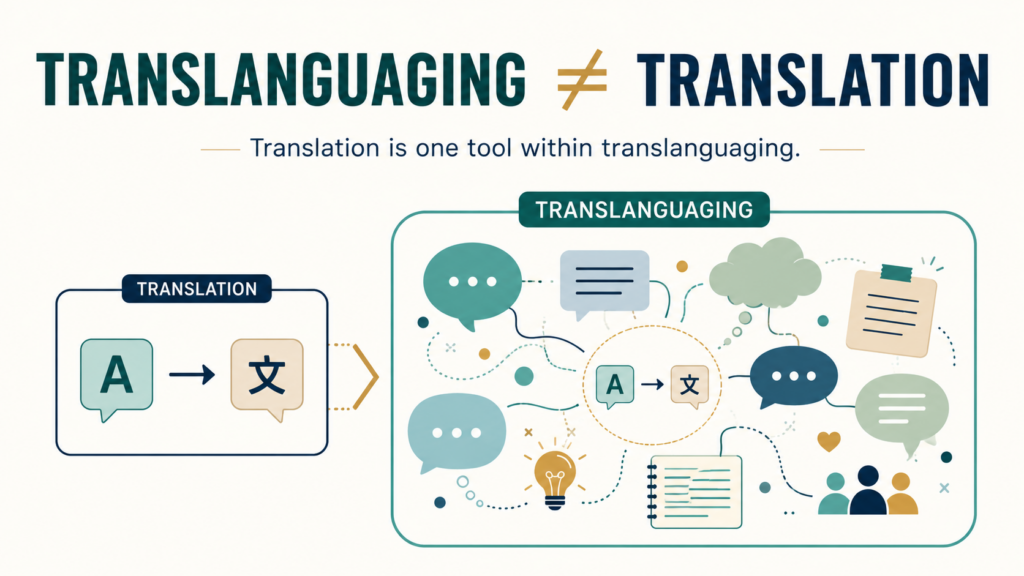
One of the most common misunderstandings I hear about translanguaging is that it basically means translation. Let students translate the worksheet. Let them look up unfamiliar words. Put the directions into several languages. And yes! Translation can be part of translanguaging. But translanguaging is much bigger than translation. The distinction is important, because simply translating more things […]
Language Inclusion Is for Every Multilingual Learner
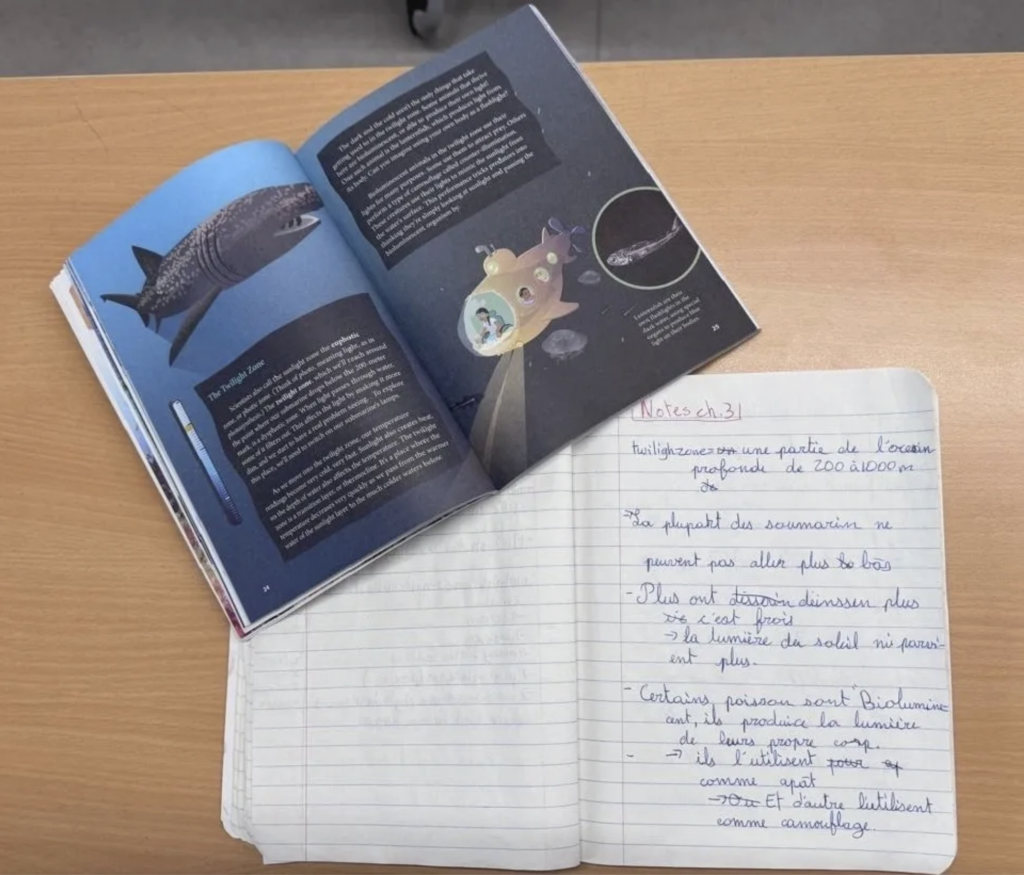
When schools talk about language inclusion, the conversation often turns immediately to students who are still learning English. That makes sense. Students developing proficiency in the language of instruction need intentional support to access learning and demonstrate what they know. But language inclusion is bigger than language support. A multilingual student does not stop being […]
Translanguaging Examples: 3 Practical Classroom Ideas

.A lot of people think that translanguaging in the classroom must be complicated. It isn’t. At least, not necessarily. A lot of the time, it looks like making one small shift in a lesson so students can use the languages they already know to understand something better. … And that’s it! No twelve-language worksheet or […]
Common Myths About Translanguaging in International Schools
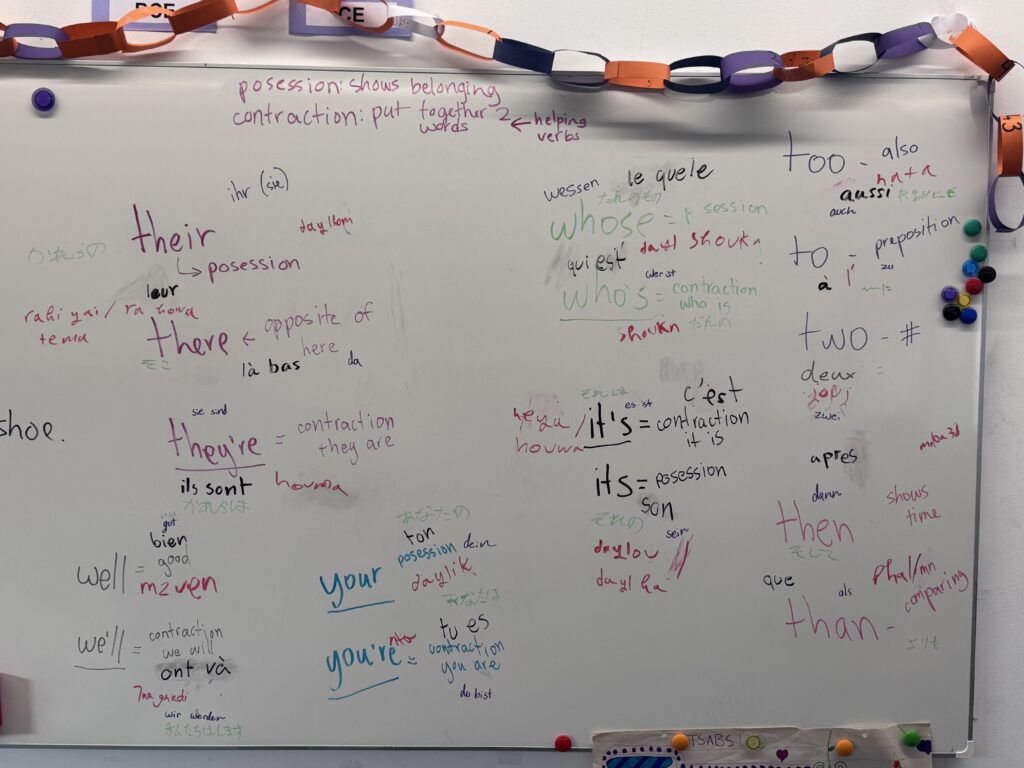
International schools are multilingual places. Obviously. Walk through the hallway of almost any international school, and you’ll hear students switching between languages with friends. They go home and speak another language with their families. They Google something in one language, think about it in another, and explain it to a friend in a third. And […]
More English Is Not Always Better Support for Multilingual Learners
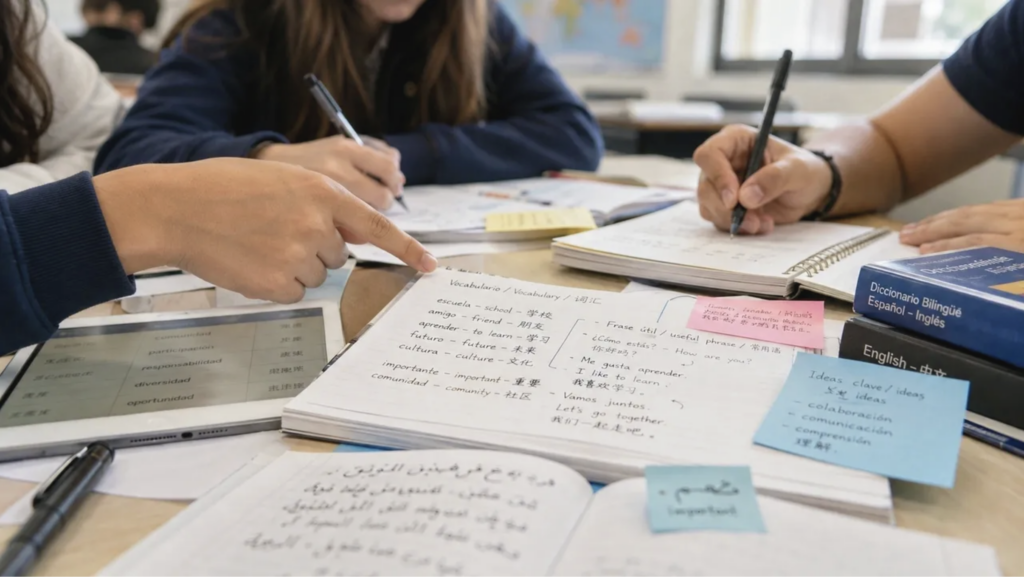
Rethinking language, learning, and inclusion in schools with language diverse populations 1. The Question Many Families and Teachers Are Asking In international and bilingual schools, multilingualism is the norm, not the exception. Students move between languages at home, with friends, and in their thinking. Still, it is understandable that parents and teachers may become concerned […]