UDL for Multilingual Learners: Linguistic Variability Is Learner Variability

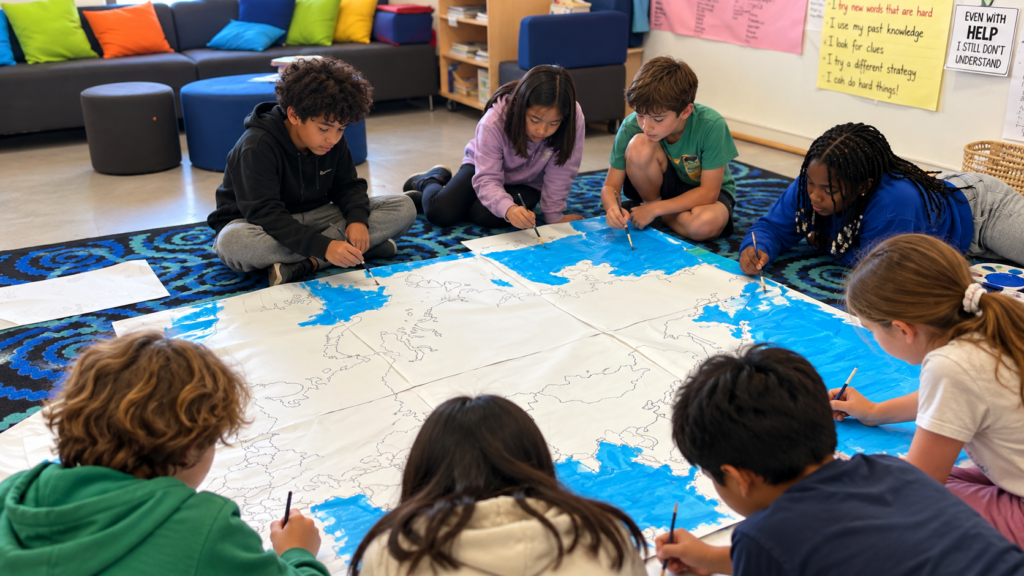
Universal Design for Learning asks us to anticipate learner variability rather than wait for students to struggle and then add support.
But in multilingual schools, one form of variability is still often treated differently: language.
We may design proactively for differences in attention, processing, background knowledge, access, and expression, while still assuming that learning should happen almost entirely through the language of schooling.
Then, when multilingual students struggle within that design, we add support around the student.
Extra vocabulary support.
Simplified instructions.
EAL intervention.
Additional scaffolds.
Those supports can be important.
But UDL gives us a different question to ask first:
What if the barrier is not located entirely in the learner? What if some of it is in the design?
UDL asks us to anticipate learner variability
CAST describes UDL as an approach to designing learning environments that anticipate learner variability and reduce barriers. Its schoolwide implementation criteria include cultural, social, emotional, cognitive, perceptual, physical, and sensory variability within that design process.
That shift is important.
We do not wait for a student to need a visual representation before deciding that diagrams might support learning.
We do not assume that a student who benefits from discussing an idea before writing simply needs to become better at processing everything independently.
We do not design one route through learning and interpret difficulty with that route as evidence of a deficit in the learner.
We build options.
So what happens when the variability is linguistic?
A multilingual student may encounter a new concept in English while already possessing relevant knowledge in another language. They may be able to discuss an idea with greater sophistication than they can currently write about it in the language of schooling. They may recognize connections between words, concepts, cultural experiences, and prior learning across languages.
Those resources already exist.
The question is whether the design of learning allows students to use them.
Linguistic variability is learner variability
This is where UDL becomes particularly interesting for multilingual education.
CAST’s current UDL Guidelines emphasize that there is no “average learner” and explicitly include learners’ multiple and intersecting identities as part of learner variability.
Language is part of that identity, but it is also… more than identity: it’s a resource for thinking.
A multilingual learner does not become temporarily monolingual when they walk into an English-medium classroom. Their knowledge does not suddenly exist only in the language printed in the textbook.
They bring an entire linguistic repertoire with them.
That repertoire can help them activate prior knowledge, make cross-linguistic connections, clarify concepts, compare meanings, collaborate with peers, plan ideas, and process complex information.
This does not mean that the language of instruction becomes unimportant.
English development is important. But English acquisition and access to learning are not the same goal.
A multilingual student may encounter a new concept in English while already possessing relevant knowledge in another language. They may be able to discuss an idea with greater sophistication than they can currently write about it in the language of schooling. At the same time, developing proficiency in English is an important part of their learning.
These goals do not have to compete.
Students can continue developing English while also using the full range of linguistic resources available to them to think deeply about ecosystems, fractions, migration, character motivation, political systems, or any other complex idea.
Good instructional design makes room for both: continued growth in the language of schooling and full access to rigorous learning while that growth is still happening.
The learning goal and the route are not always the same
One particularly useful idea within UDL is separating the learning goal from the means through which students reach it.
CAST’s schoolwide guidance recommends separating goals, where possible, from the particular route students must use to achieve them.
That distinction becomes incredibly useful in multilingual classrooms.
Imagine the learning goal is: students will explain how changes in an ecosystem affect organisms within a food web.
Is the goal: understanding ecosystems?
Or is the goal: understanding ecosystems entirely through English, processing every idea in English, discussing every idea in English, taking every note in English, and only then producing an explanation in English?
Those are not automatically the same thing.
If the final assessment needs to be in English, it can still be in English.
But along the way, a multilingual student might:
- preview a concept in another language;
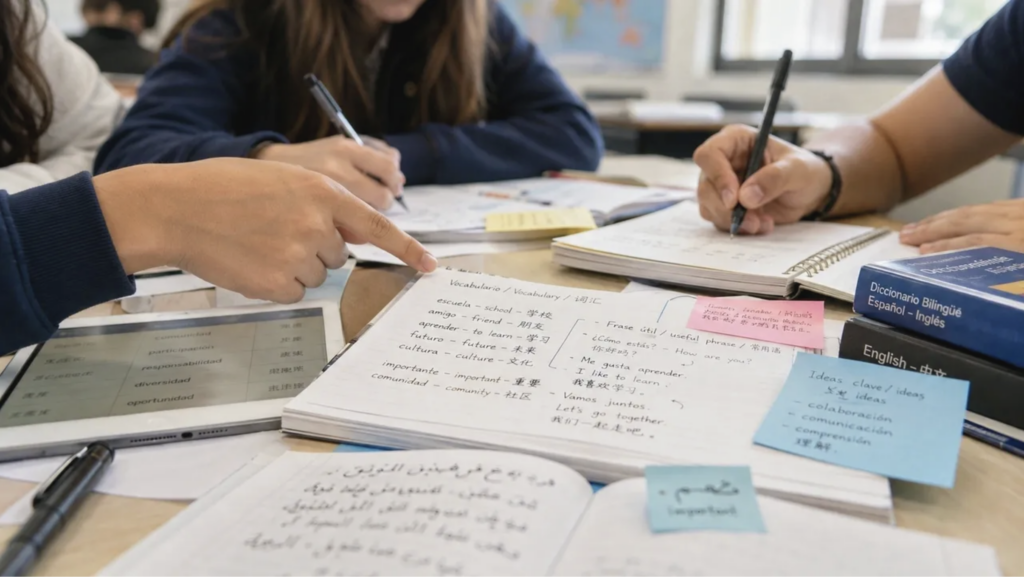
- annotate a diagram using more than one language;
- discuss the idea with a classmate who shares a language;
- connect new vocabulary to words they already know;
- research background information using multilingual sources;
- plan an explanation in one language before producing it in another.
The academic expectation has not changed.
The route has become more flexible.
That is not lowering rigor.
It is removing unnecessary barriers between the learner and the thinking we actually want them to do.
UDL and multilingual pedagogy: where they meet
UDL and multilingual pedagogy are not interchangeable frameworks.
UDL was not developed specifically as a theory of multilingual learning, and translanguaging is not simply another UDL strategy.
But there is meaningful overlap. In fact, CAST has been explicitly investigating how UDL can work alongside approaches designed specifically for multilingual learners. A CAST partnership with schools using the Sobrato Early Academic Language approach examined how the two frameworks could operate in complementary ways to support multilingual learners.
The connection makes sense.
UDL asks: Where might the design create barriers for learners?
Multilingual pedagogy adds another question: Are we creating a linguistic barrier by unnecessarily restricting which parts of a student’s existing repertoire can participate in learning?
Sometimes the answer will be no. There are moments when sustained use of the target language is important. There are language-learning goals for which students genuinely need to listen, speak, read, or write in that language.
But there are also countless moments in mainstream classrooms where language is the vehicle for learning, rather than the learning goal itself.
Recognizing the difference is part of good instructional design.
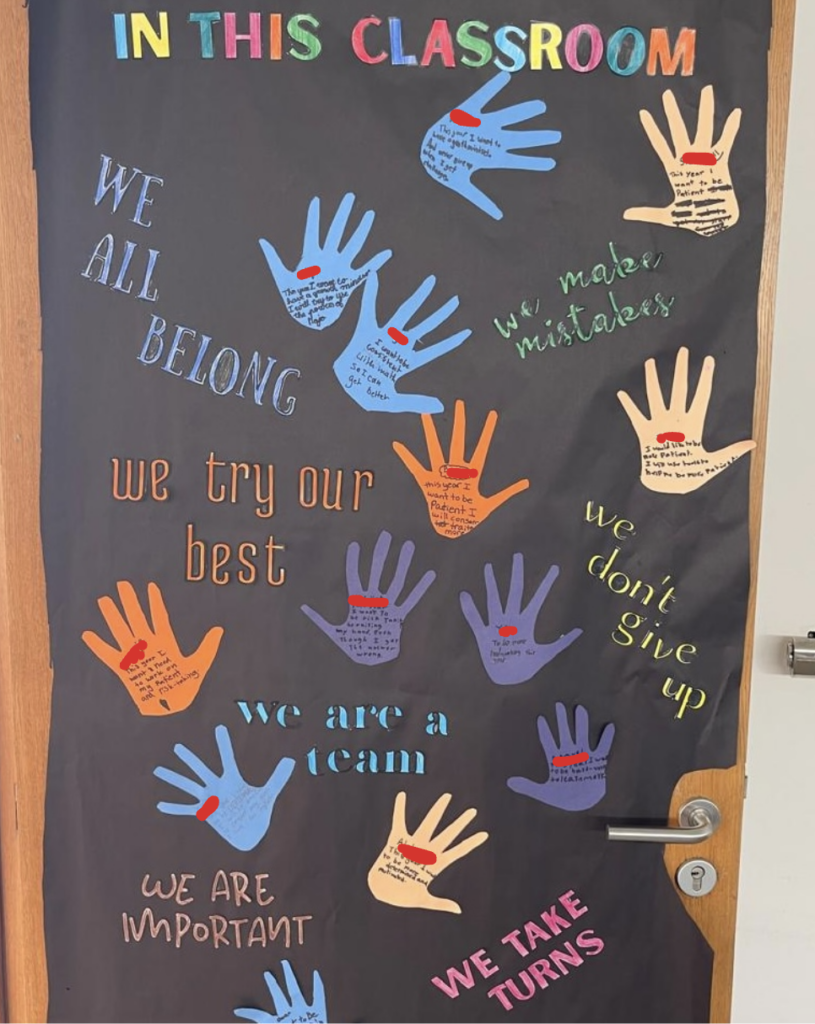
Belonging is an instructional design issue
There is another reason this is important. When we talk about multilingual learning, we often separate academic access from belonging.
Students receive instructional support in one conversation, while identity and inclusion sit somewhere else in the school improvement plan.
But students experience the classroom as a whole.
A recent systematic review of belonging in culturally and ethnically diverse educational contexts found that school climate, grouping practices, and teacher and peer behavior all shaped students’ opportunities to belong. The review also identified monolingual practices and non-inclusive school norms among factors associated with diminished belonging for students from migrant backgrounds.
CAST’s UDL Guidelines 3.0 likewise place identity directly within the discussion of learner variability and engagement.
That means belonging is not only about whether a school celebrates different languages.
It is also about what happens during Tuesday morning math class.
Whose knowledge can enter the room?
Whose language can participate in the thinking?
Which students continually have to leave parts of themselves outside the learning process in order to demonstrate that they belong inside it?
Those are instructional design questions.
What UDL for multilingual learners means for school leaders
Many schools are already committed to UDL. Many are also working to strengthen multilingual learner support.
But those two initiatives can easily live on parallel tracks.
UDL becomes something classroom teachers do. Multilingualism becomes something the EAL or language-support team handles.
There is an opportunity, however, to bring those conversations together.
If learner variability is predictable, then the increasing linguistic diversity in our classrooms should not continually surprise our instructional systems.
We should design for it.
That means asking questions such as:
- Are multilingual learners primarily discussed in terms of support needs, or also in terms of the resources they bring?
- Do classroom teachers see themselves as responsible for designing learning for multilingual students, or is that responsibility quietly handed off to specialists?
- Can students use their full linguistic repertoires when doing so supports the learning goal?
- Are teachers able to distinguish between a language objective and a content objective?
- Are we able to measure what we actually intend to measure, or are we measuring English proficiency?
And perhaps most importantly:
If we already believe that learner variability should shape instructional design, are we including linguistic variability in that belief?
Multilingual learners do not need an entirely separate philosophy of inclusion operating beside the rest of the school.
They need us to take the principles we already claim to value about access, identity, flexibility, and learner variability seriously enough to include language.
Because linguistic variability is learner variability.
And we can design for it.
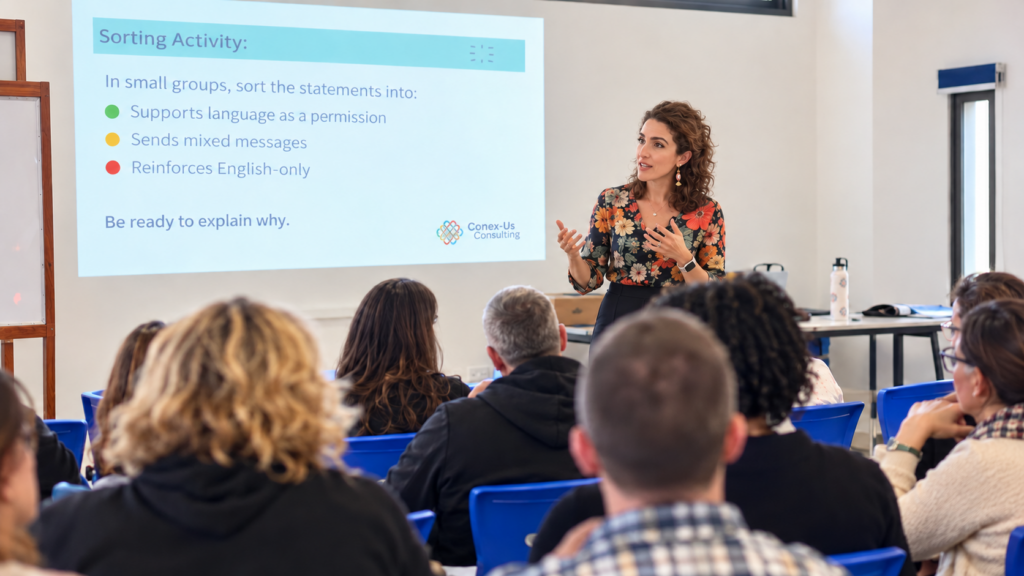
If your school is exploring how UDL, multilingual learning, and whole-school language inclusion fit together, I’d be happy to talk through where the friction is — and what might need redesigning.
Responses